Fix the Foundation Now or Wait?
When watching and measuring is the sensible answer, and when waiting quietly turns a manageable repair into a much bigger one.
- Upfront Quotes
- Slab & Pier and Beam
- Residential & Commercial
By the Round Rock Foundation Repairs team · Updated September 2026
The Question Behind the Question
Nobody wants to spend money on piers if the house is only doing what houses on clay do. Equally, nobody wants to find out in two years that a small job became a large one. The way through is to separate movement that reverses from movement that does not.
That distinction is measurable. It is not something you can settle by looking at a crack, which is why the first step is almost always elevation readings rather than a repair quote.
When Watching Is Reasonable
If the readings show only a small difference across the house, the cracks are fine and stable, and the symptoms come and go with the seasons, monitoring is a defensible plan. Take dated photographs, mark crack ends, and have the house measured again after a full wet and dry cycle.
Use the waiting time productively. Get roof water away from the slab, fix any ground that slopes back toward the house, and keep the perimeter soil evenly damp through the summer. A surprising number of borderline houses stop getting worse once the moisture around them stops swinging.
Monitoring is also the honest answer on a new house that is still settling. Acting too early can mean paying for piers on one side while the other side is still moving.
When Waiting Costs You
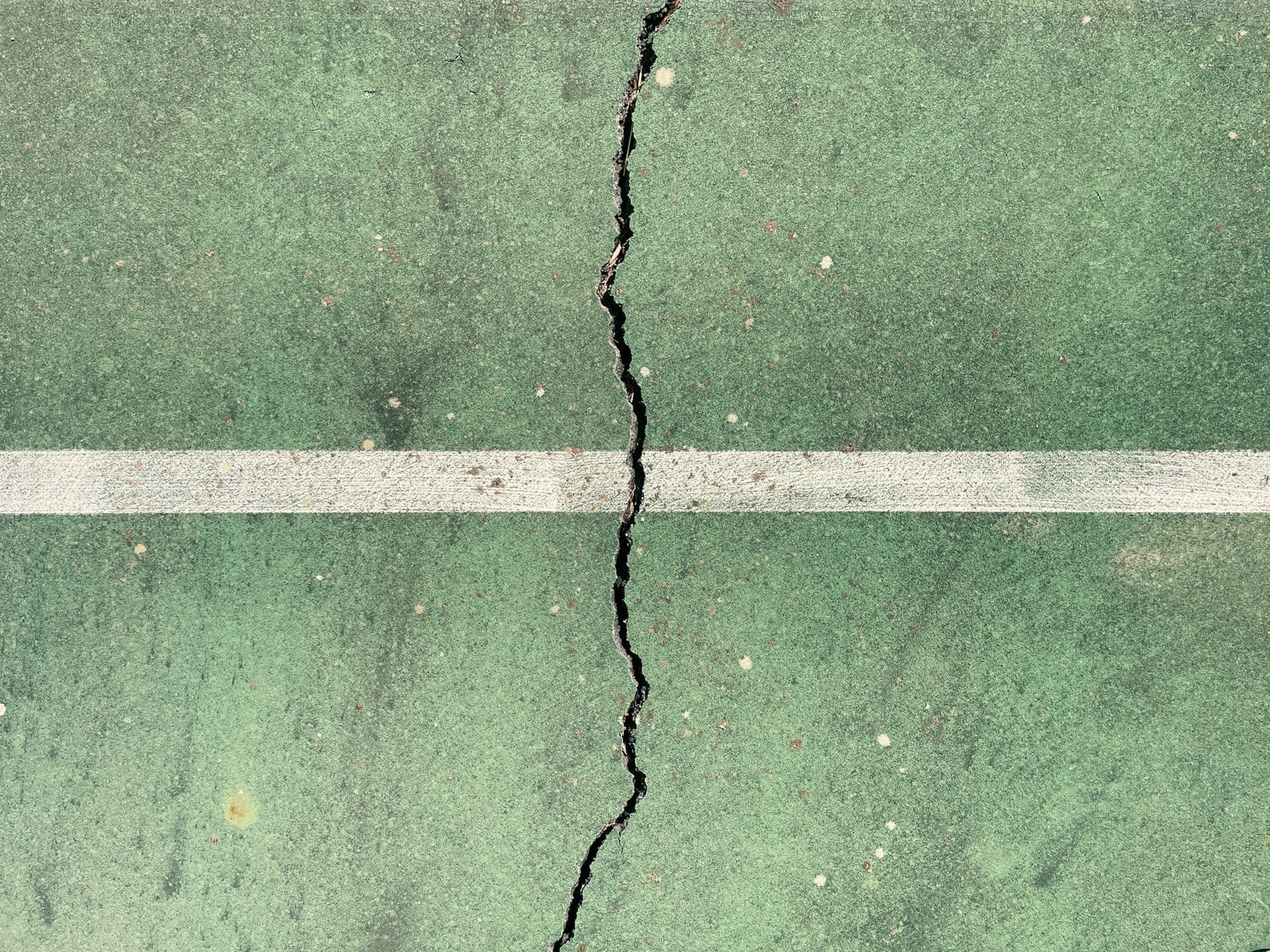
Some situations do not improve with time. Cracks that widen measurably between one season and the next, a corner that has dropped and stayed down through a wet winter, doors that get worse every year, or a floor that has developed a noticeable slope all point toward movement that is not reversing.
There is also the practical cost. The further a house drops, the more finish work is involved in putting it right, and the more likely it becomes that something else has been affected along the way. A line running under a slab that has moved is one example. Waiting does not usually reduce the pier count.
If you are planning to sell, the calculation changes again. A measured report and completed work with paperwork is a far easier conversation than an unexplained crack and a nervous buyer.
Getting a Second Opinion
It is entirely reasonable to have a repair quote reviewed, and a good contractor will not object. An independent structural engineer is hired by you, has no stake in the repair being sold and produces a written report you keep. That is worth considering when the quote is large, when opinions differ, or when a sale is in dispute.
Bring the same information to both parties: the elevation plot, dated photographs, any past repair paperwork and what the house has been doing through the year. Comparing two quotes is only useful if they are both looking at the same evidence.
Before You Sign Anything
Ask what the pier plan is based on and why each pier is where it is. Ask what depth is expected and what happens if a pier refuses early. Ask how much lift is realistic and what will not close up afterwards. Ask what the finish work covers and whether drywall, paint and mortar repairs are included or separate.
Then read the warranty terms before signing rather than after. What is covered, what voids it, whether it moves to the next owner and what any annual check involves should all be written on the document, not described on a doorstep. Keep the paperwork with the house.
Deciding in Round Rock
Local conditions push this decision one way or the other. On the deep clay east of I-35, seasonal movement is so normal that a single snapshot of readings can mislead, and a second set a season later is often worth the wait. On the cut-and-fill lots to the west, differential settlement between rock and fill tends not to correct itself, and waiting rarely helps.
New construction is its own case. Fast-growing areas like the subdivisions covered on our Leander page are full of young slabs where some settlement is expected, and where documented measurements taken early are more valuable than an immediate repair. Older housing that has already been through several droughts is usually past that stage.
Arrange an Inspection
The decision gets much easier with numbers in hand. Round Rock Foundation Repairs takes elevation readings across the house, looks at drainage and trees, and gives you a straight answer about whether anything needs doing now. That is what the inspection is for, and it is a legitimate outcome for it to conclude that nothing does.
If work is warranted, read the pier comparison before the visit so the quote makes sense. If moisture is the driver, start with drainage. To book, request an inspection.