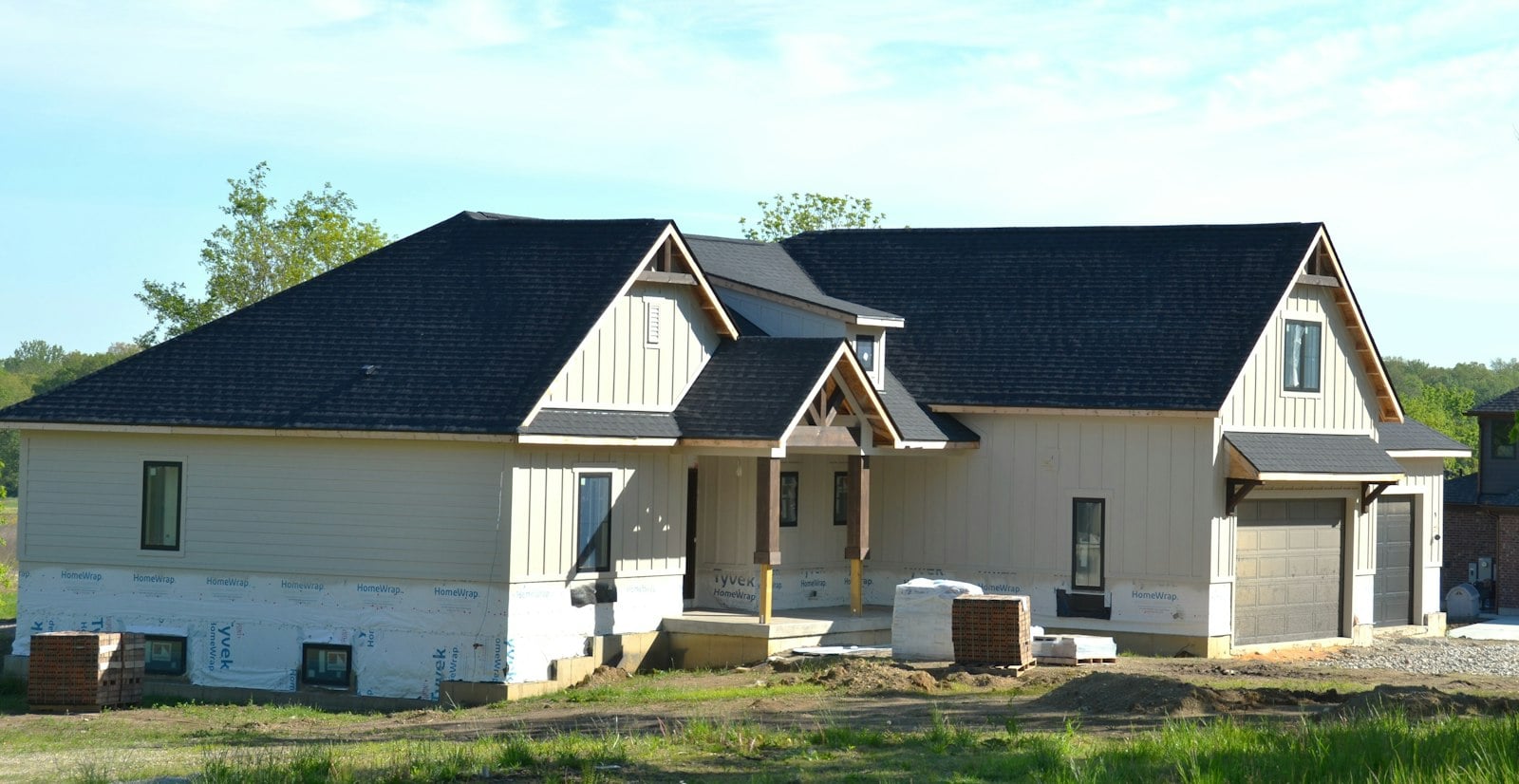
Foundation Piers
Where part of a slab bears on rock and part on fill, the pier design has to account for both.
Foundation PiersCedar Park sits up against the Balcones Escarpment, where limestone can be a foot under the grass on one lot and buried under several feet of imported fill on the next. Cut-and-fill pads are the local story, and Round Rock Foundation Repairs checks which one your house sits on before quoting piers.
Where part of a slab bears on rock and part on fill, the pier design has to account for both.
Foundation Piers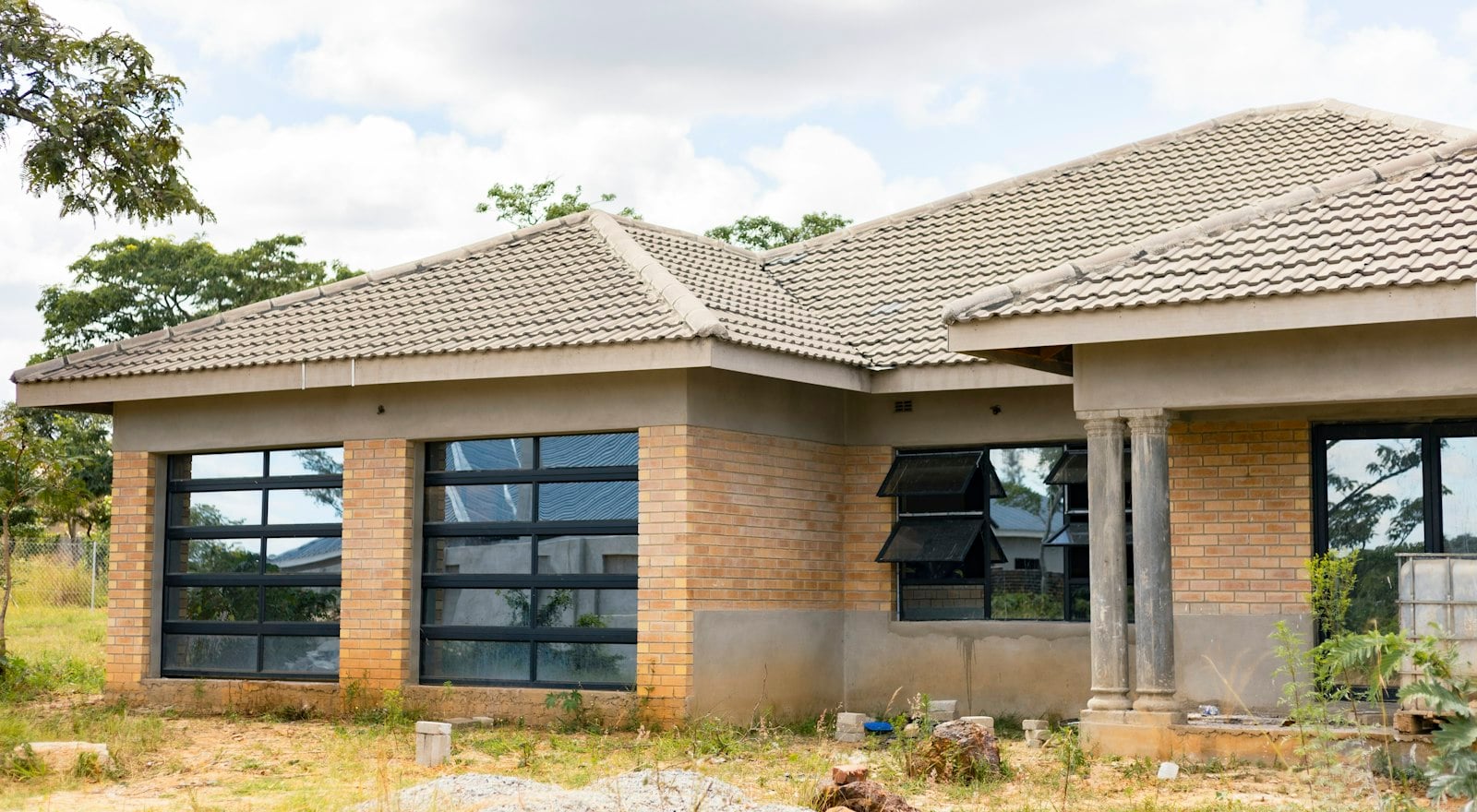
Lifting is done in stages from measured readings, not from how the floor feels underfoot.
Foundation Leveling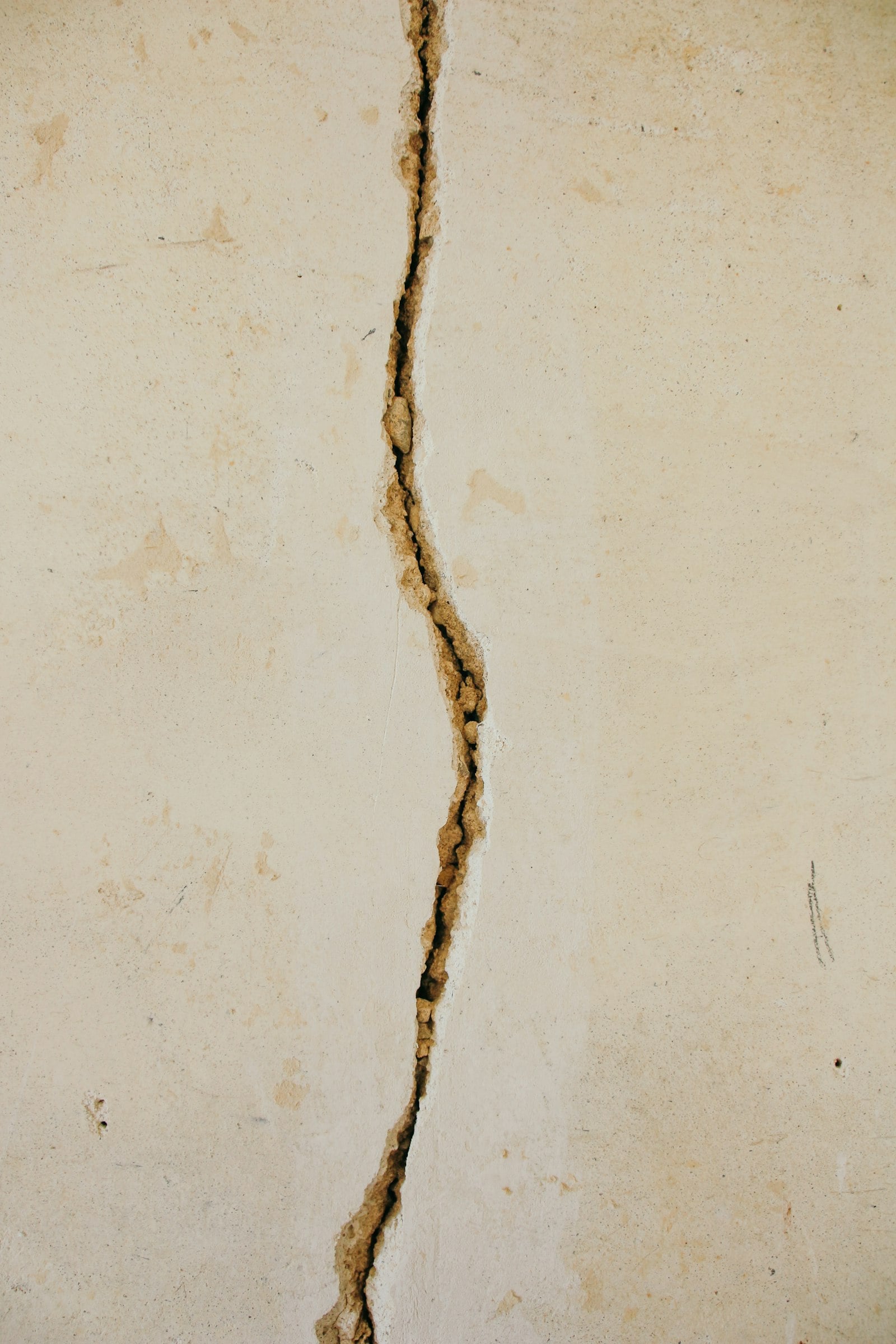
Elevation readings show whether a crack over the door is seasonal or a corner that has dropped.
Foundation InspectionA lot of Cedar Park was developed through the 1990s and 2000s on rolling ground west of the old town center. To get buildable pads, builders cut into the high side and placed the spoil on the low side. Years later that can show up as one end of a house sitting firmly on rock while the other end slowly compacts into fill.
When you get in touch, say whether your lot slopes, whether there is exposed rock in the yard and whether the driveway or patio has separated from the house. Those separations are often the clearest outside clue on a cut-and-fill lot. Lots near Brushy Creek and Cypress Creek can also have deeper soil than the rock elsewhere in the neighborhood would suggest.
Differential settlement is common where a slab spans from native rock onto engineered fill. It usually shows at one corner first.
Rock close to the surface changes how deep piers can go and sometimes changes which type makes sense. It is not automatically good news.
Soil depth is not uniform here. Lots closer to the creek bottoms can hold considerably more clay than the rocky ground a few streets away.
The critical question is what each part of the slab is bearing on. Elevation readings show where the house is low; the depth to firm ground tells you what supporting it would take. On these lots the two do not always line up with what the yard looks like, which is why guessing from the outside is unreliable.
Where rock is shallow on one side and fill is deep on the other, pier type matters more than usual, and the pier comparison covers how that is decided. The lifting itself is explained under foundation leveling.
The same terrain continues north into Leander. Book an inspection or get in touch to arrange a visit.
It depends heavily on depth, which varies more here than in most of the area. A pier driven a short way to rock and one driven through deep fill are very different jobs. Round Rock Foundation Repairs quotes after measuring, states the expected depth range in the plan and records the actual depth of each pier as it goes in.
Round Rock Foundation Repairs covers Cedar Park, including the newer neighborhoods west of US 183 and the older streets closer to the original town center. Give us the address and mention any exposed rock or slope on the lot. See the services page for what each visit involves.
By appointment, usually within a few days depending on the schedule. Call to check what is open this week. Mention if a sale or an option period is driving the timing, and we will do what we can to fit around it.
Not a good idea. Excavating beside a loaded slab can remove the very soil holding one edge up, and you may hit utility or irrigation lines. It also changes the readings before anyone takes them. Leave the digging to the inspection.
Not necessarily. Patios, driveways and walks are usually poured separately and thinner, so they move on their own long before a house does. It is still worth mentioning, because on a fill lot it can be the first sign that the ground under that side is compacting. The readings tell you which it is.
Not on its own. If the slab bears on rock everywhere, movement is unlikely. If it spans from rock onto imported fill, which is common on graded lots here, the difference between the two sides is precisely what causes trouble. That is why the pier plan depends on knowing what is underneath each part.
Tell us about the slope of the lot and any exposed rock, and we will take readings.