Slab Foundation Repair
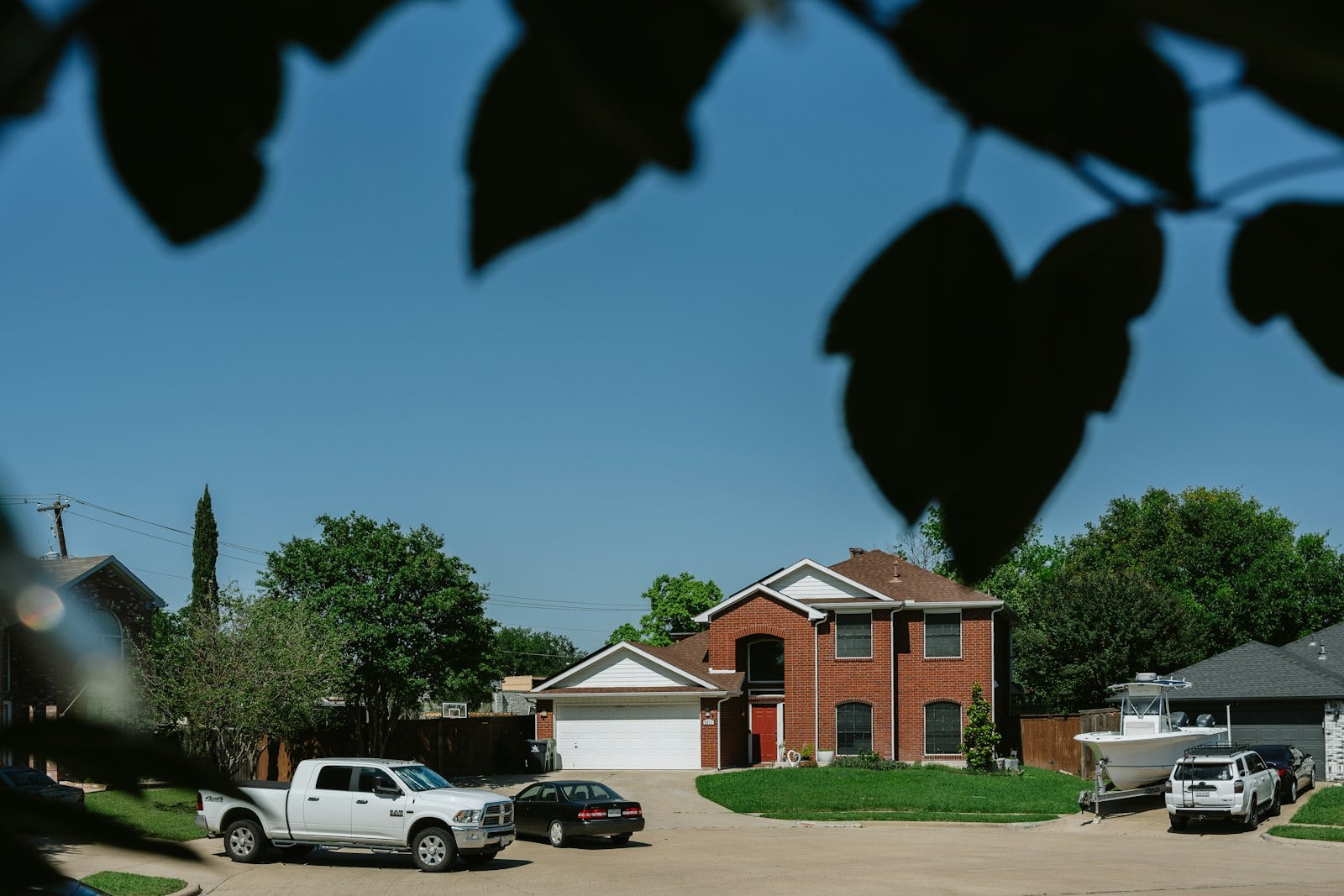
Slab homes from the late 1980s through the 2000s, on soil that changes across the community.
Slab Foundation RepairBrushy Creek sits between Round Rock and Cedar Park, right where the limestone to the west gives way to prairie clay heading east. Two houses a mile apart can be on completely different ground. Round Rock Foundation Repairs checks which side of that line you are on.
Slab homes from the late 1980s through the 2000s, on soil that changes across the community.
Slab Foundation Repair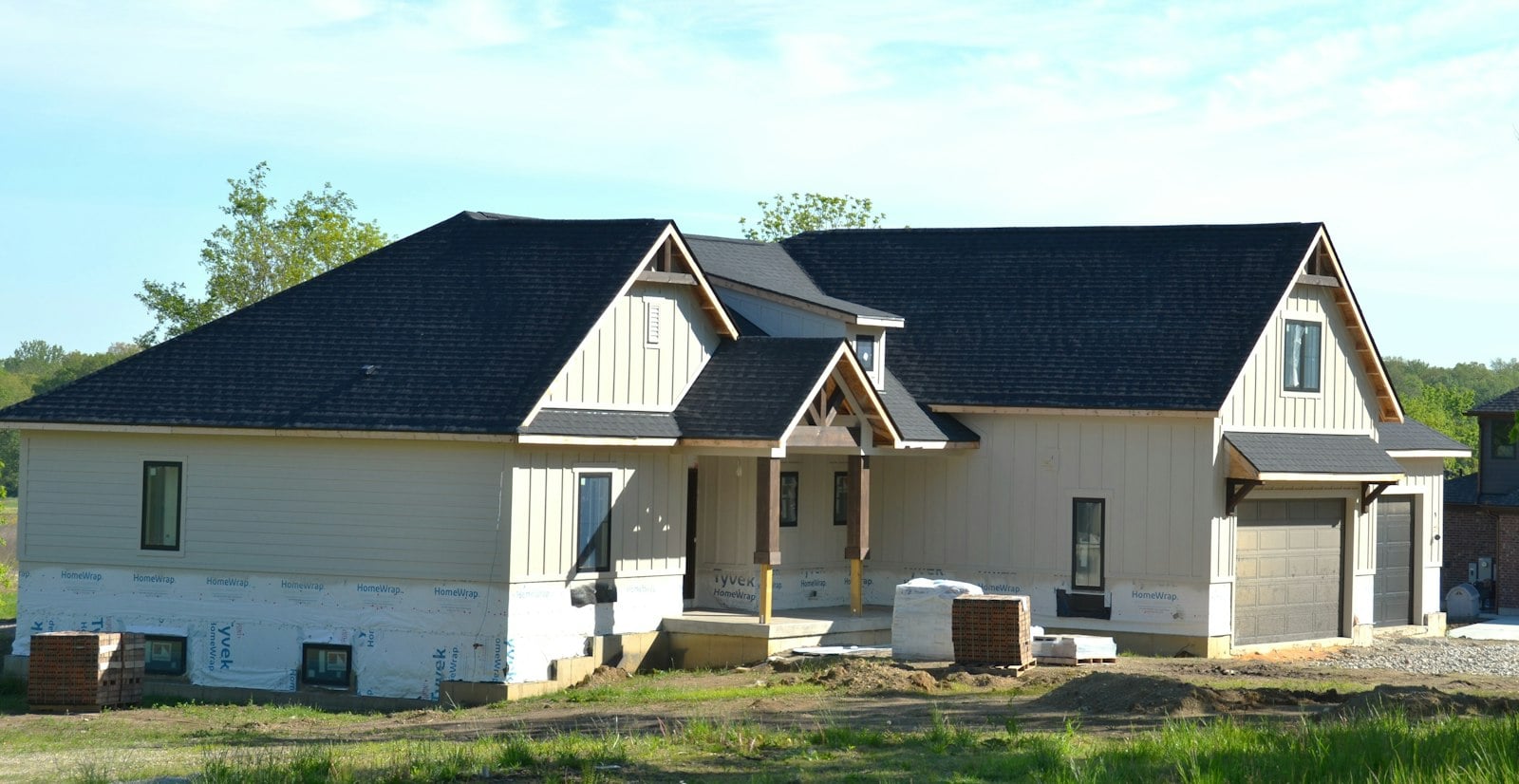
Depth to firm ground varies here more than the neighborhood appearance suggests.
Foundation Piers
Lots that fall toward the creek and greenbelt drain differently from flat interior streets.
Drainage and Root BarriersThis is a transition zone. Near the creek and toward the west, rock can be shallow and the soil thin. Move east and the clay deepens into the same Blackland Prairie material that sits under the rest of the county. That is why depth to firm ground is the single most useful unknown to resolve here before anyone designs a pier plan.
Tell us where your lot sits relative to the creek and the trail, and whether the ground falls away behind the house. Lots backing onto the greenbelt often drain well, which helps, but they can also collect runoff from uphill neighbors during a heavy storm. Either way, mention the year the house was built.
Shallow rock in one part, deeper clay in another. The neighborhood name tells you very little about what is under a particular slab.
Old enough to have been through several severe droughts, which is usually long enough for any weakness to have shown itself.
Ground that slopes toward the greenbelt usually sheds water well, but can also receive runoff from further up the street.
Because the ground varies, two things matter more here than usual: taking readings across the whole house rather than sampling a corner, and establishing the likely depth to firm ground before committing to a pier type. A plan built on assumptions about the neighborhood tends to be wrong on at least one side of the house.
Our pressed concrete and steel pier comparison covers how depth drives the choice, and the piers page explains what the plan should show you. If the readings come out close, drainage work may be the better first move.
Immediately west the ground is rockier in Cedar Park. Start with an inspection or get in touch to arrange one.
Depth is the variable that moves the price most here, and it genuinely differs across the community. Round Rock Foundation Repairs measures the house, states an expected depth range in the pier plan and records the actual depth of each pier during installation, so you can see what you paid for.
Round Rock Foundation Repairs works throughout Brushy Creek and the surrounding neighborhoods between Round Rock and Cedar Park. Give us the address and the year built. The services page covers what each visit involves.
Inspections are appointment based and there is usually availability within a few days. Call to check the current schedule. If a real estate deadline is involved, say so and we will try to fit the visit before it.
Not immediately, but it is a foundation issue and it is worth fixing. Soil that stays saturated on one side while the other side dries out is what pulls a slab out of shape. Do not regrade steeply toward a neighbor to solve it; that just moves the problem. See drainage options.
If the house rides up and down seasonally but comes back, drainage and watering are usually the honest first answer. If a corner has dropped and stayed, piers are what hold it. The elevation plot separates the two cases, which is why the inspection comes first.
Not by itself. Proximity to a creek can mean better natural drainage, or it can mean deeper soil in the bottom land. What matters is what is actually under your slab and where the water goes after a storm, both of which get checked during the visit rather than assumed from a map.
Tell us where the lot sits and what you are seeing inside.