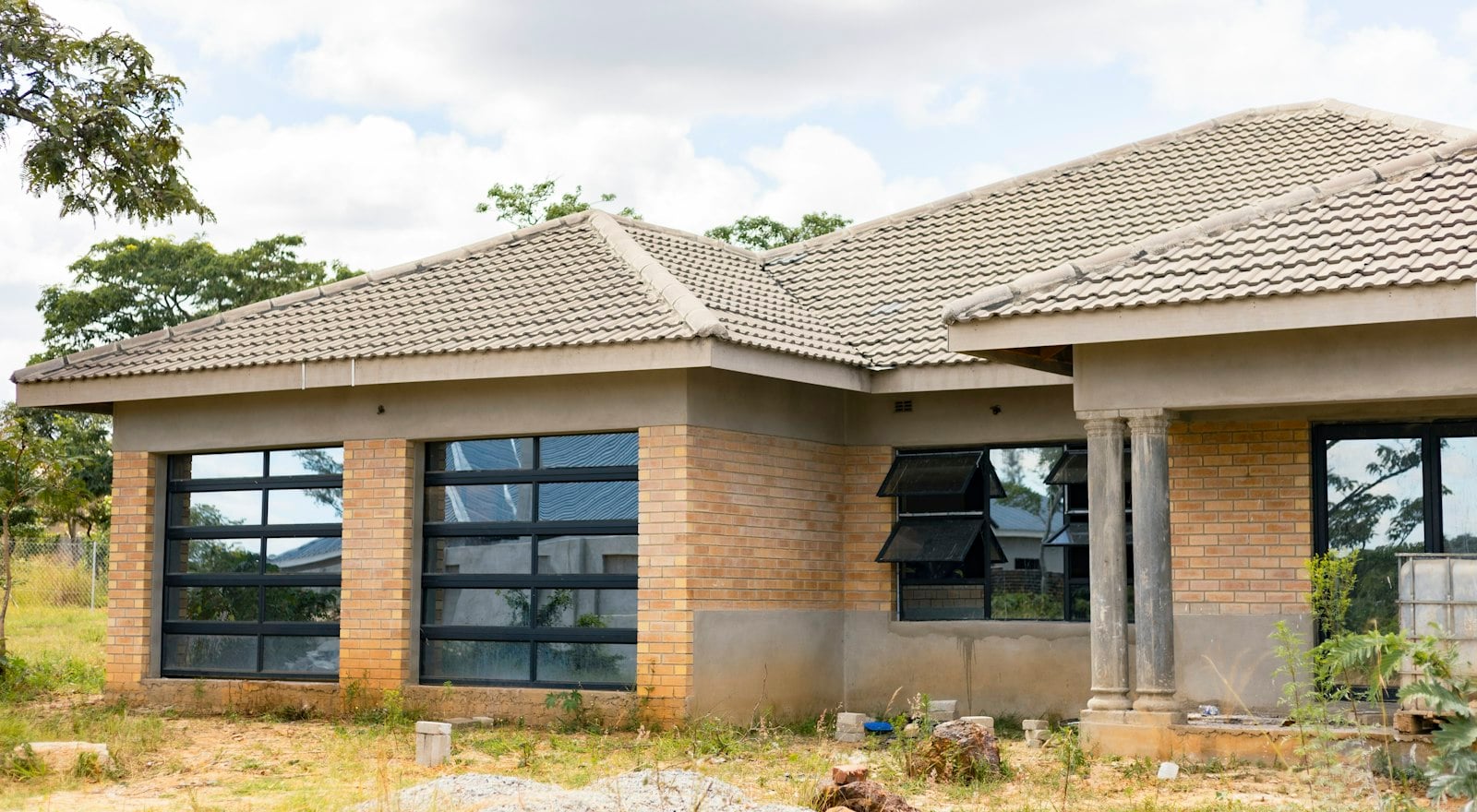
Slab Foundation Repair
Whether the slab was poured in 1994 or last year, the clay beneath it changes volume with the seasons.
Slab Foundation RepairPflugerville sits on the same Blackland Prairie clay as the rest of this corner of Williamson County, but its housing spans three decades of building practice, from early 1990s subdivisions to streets finished in the last couple of years. Same soil, different slabs. Round Rock Foundation Repairs measures before anyone talks about piers.
Whether the slab was poured in 1994 or last year, the clay beneath it changes volume with the seasons.
Slab Foundation Repair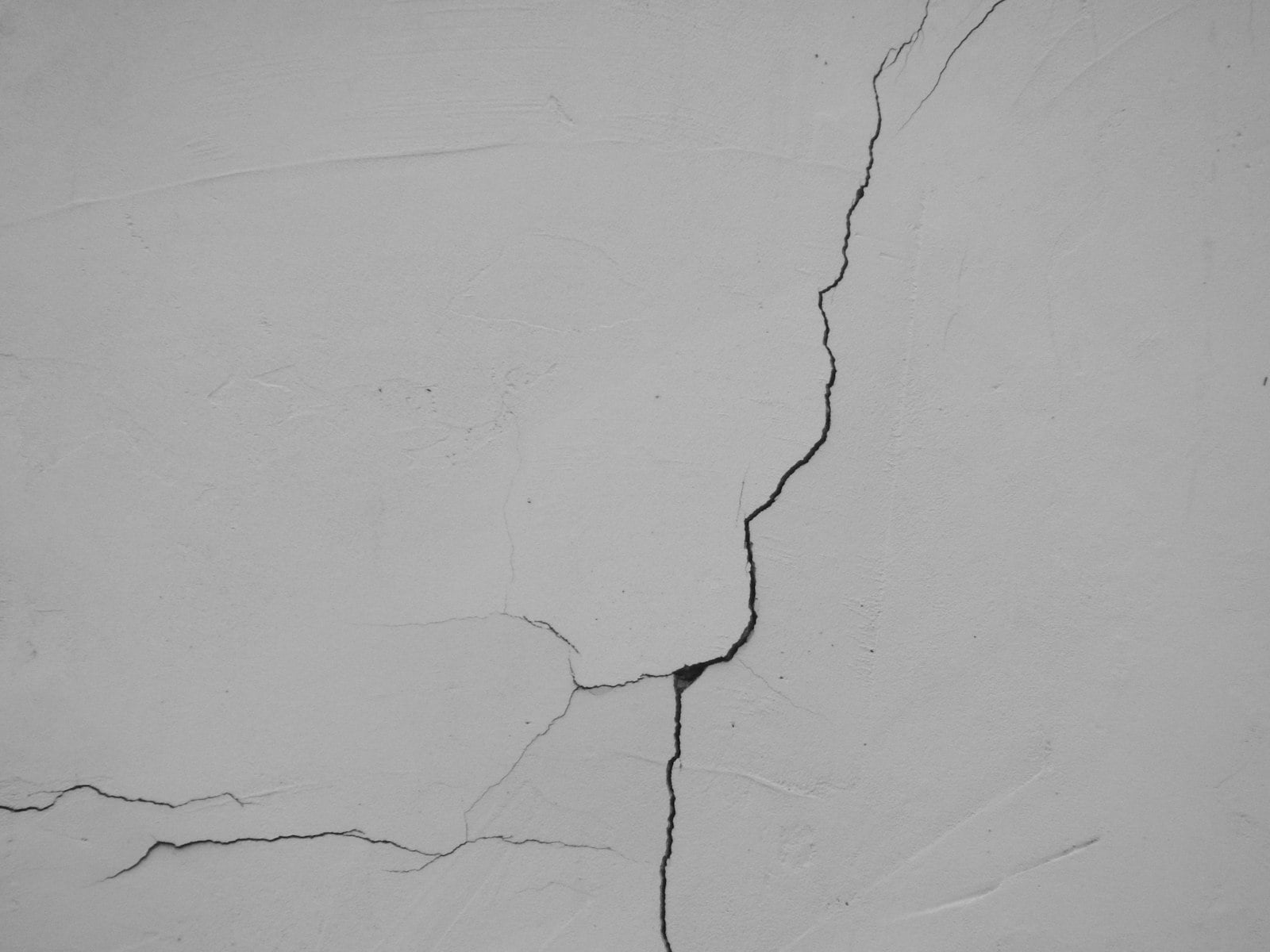
Cracks get mapped and measured first, then sealed or injected once we know whether the house is still moving.
Foundation Crack Repair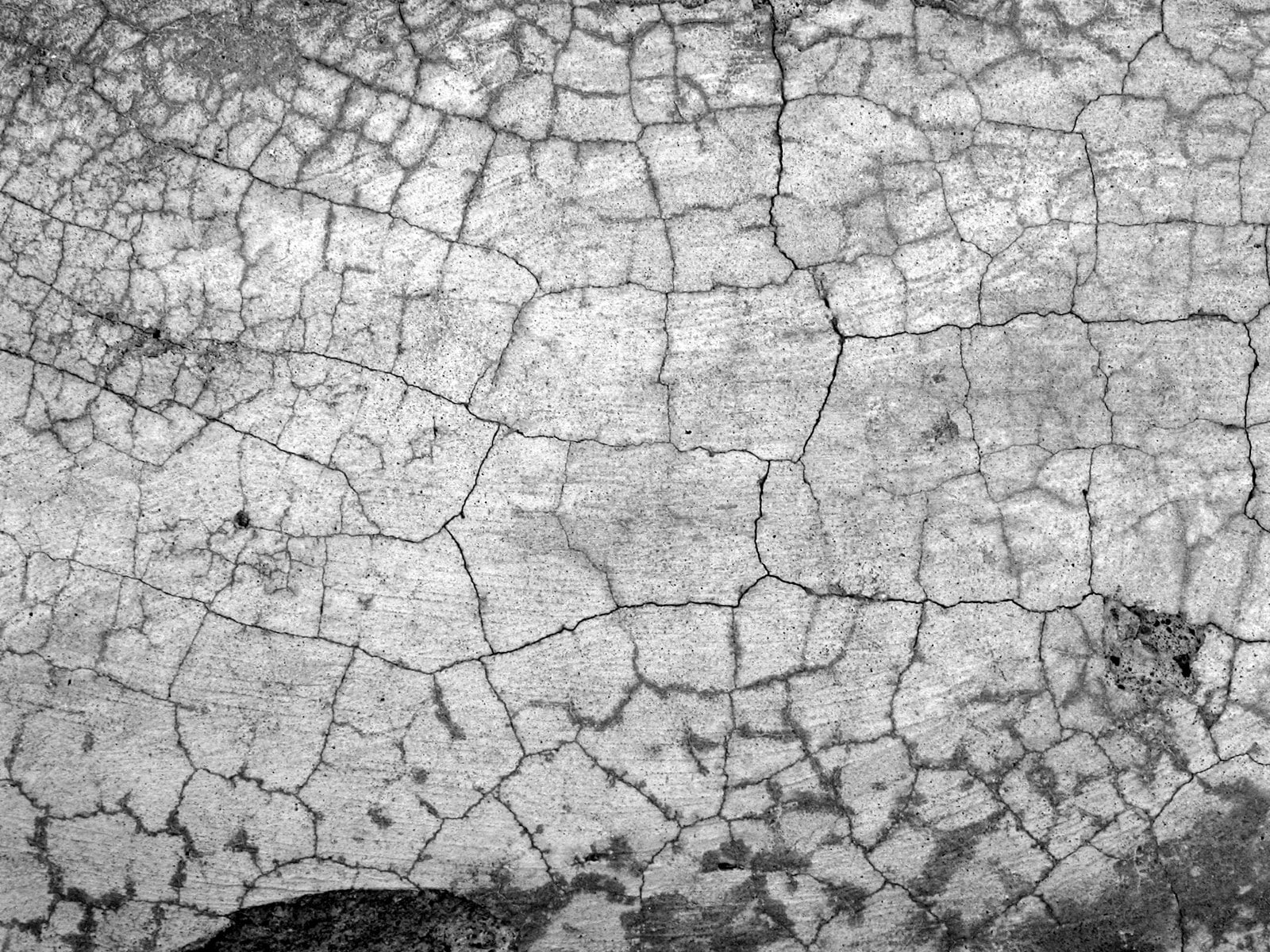
Flat lots and downspouts emptying beside the wall give the clay around a slab wildly uneven moisture.
Drainage and Root BarriersThe ground here is dark, deep prairie clay with a wide shrink and swell range. After a wet winter it expands and pushes up; through a dry summer it pulls back and drops, and it rarely does either evenly around a house. That is why a set of readings taken once is sometimes less useful than two sets a season apart, and why we will say so when that is the honest answer.
The other thing that varies across town is time. In the older subdivisions the trees planted with the houses are now large enough to pull serious moisture out of the soil on one side of a lot. On the newer streets off the SH 130 corridor the landscaping is young, the pads were graded recently and the slabs are usually post-tension, so the cables have to be located and marked before anyone breaks concrete. Tell us the year the house was built and how the lot drains and we can plan the visit properly.
Mature trees, settled landscaping and irrigation habits set decades ago. Most movement here traces back to moisture that is uneven around the perimeter.
Common on recent builds. The repair principle is the same, but the tendons inside the slab are located and marked before any concrete is opened.
Water that cannot get away sits right against the slab. New sod, fresh beds and a sprinkler zone that favors one side are frequent causes of uneven readings.
The first question is always whether the house is riding the seasons or has settled and stayed down. A house that moves up and down each year and comes back usually needs moisture control rather than piers: getting rainwater away from the slab and keeping the perimeter evenly damp through a dry summer. A house that dropped and stayed there is a different conversation.
When piers are warranted on clay this deep, how far down they reach matters more than what they are made of, and our pier comparison explains why. The numbers behind that decision come from an inspection, and the plan is written into your quote.
The same soil runs northeast into Hutto. You can book a visit or read the watering guide first.
It comes down to how many piers are needed, how deep they have to go and how difficult the house is to work around. Deep clay often means deeper piers than a rocky lot to the west would need, which moves the figure. Round Rock Foundation Repairs quotes after the elevation readings are taken, with the pier count and the scope written down before anything starts.
Round Rock Foundation Repairs works throughout Pflugerville, from the older streets near the original town center out to the newest subdivisions. Give us the address, the year built and whether you know the slab is post-tension. The services page sets out what each type of visit involves.
Inspections run by appointment and there is normally something within a few days, subject to the schedule. Call to confirm what is open this week. If you are inside an option period on a purchase, say so when you get in touch and we will try to fit the visit before the deadline.
Usually not by itself. What matters is whether the house is still moving and whether the movement has affected anything else, such as a line running beneath the concrete. Do not break out slab sections or dig a trench against the foundation to find out; that is what crack mapping and an inspection are for.
It depends on whether the movement is seasonal or one-way. Watching and measuring is a sensible plan for a house that recovers each winter; waiting costs money on a house that is steadily dropping, because more of the finishes go with it. This guide walks through how to tell the difference.
It can. Age is not what drives movement here, soil moisture is, and a slab poured five years ago sits on the same active clay as one from the 1990s. Newer homes also have young landscaping and new irrigation, which tends to wet the ground unevenly at first. Readings settle the question either way.
Tell us the age of the house and how the lot drains, and we will plan the visit.