Slab Foundation Repair
Most houses here sit on a concrete slab. When the clay under one side dries out and drops, the slab goes with it.
Slab Foundation RepairSticking doors, cracks over the windows and floors that feel like they lean all start below the house. Round Rock Foundation Repairs connects you with independent foundation repair providers. Availability varies by provider.
Most houses here sit on a concrete slab. When the clay under one side dries out and drops, the slab goes with it.
Slab Foundation Repair
Older houses with a crawl space settle unevenly as the interior piers and the perimeter beam move at different rates.
Pier and Beam Repair
Bringing a house back toward level is measured work. Elevations are taken across every room before anything is lifted.
Foundation Leveling
Piers carry the weight of the house down to ground that does not move with the weather. Depth and type depend on the lot.
Foundation Piers
Keeping moisture even around the slab is half the repair. Water standing at one corner will undo the other half.
Drainage and Root Barriers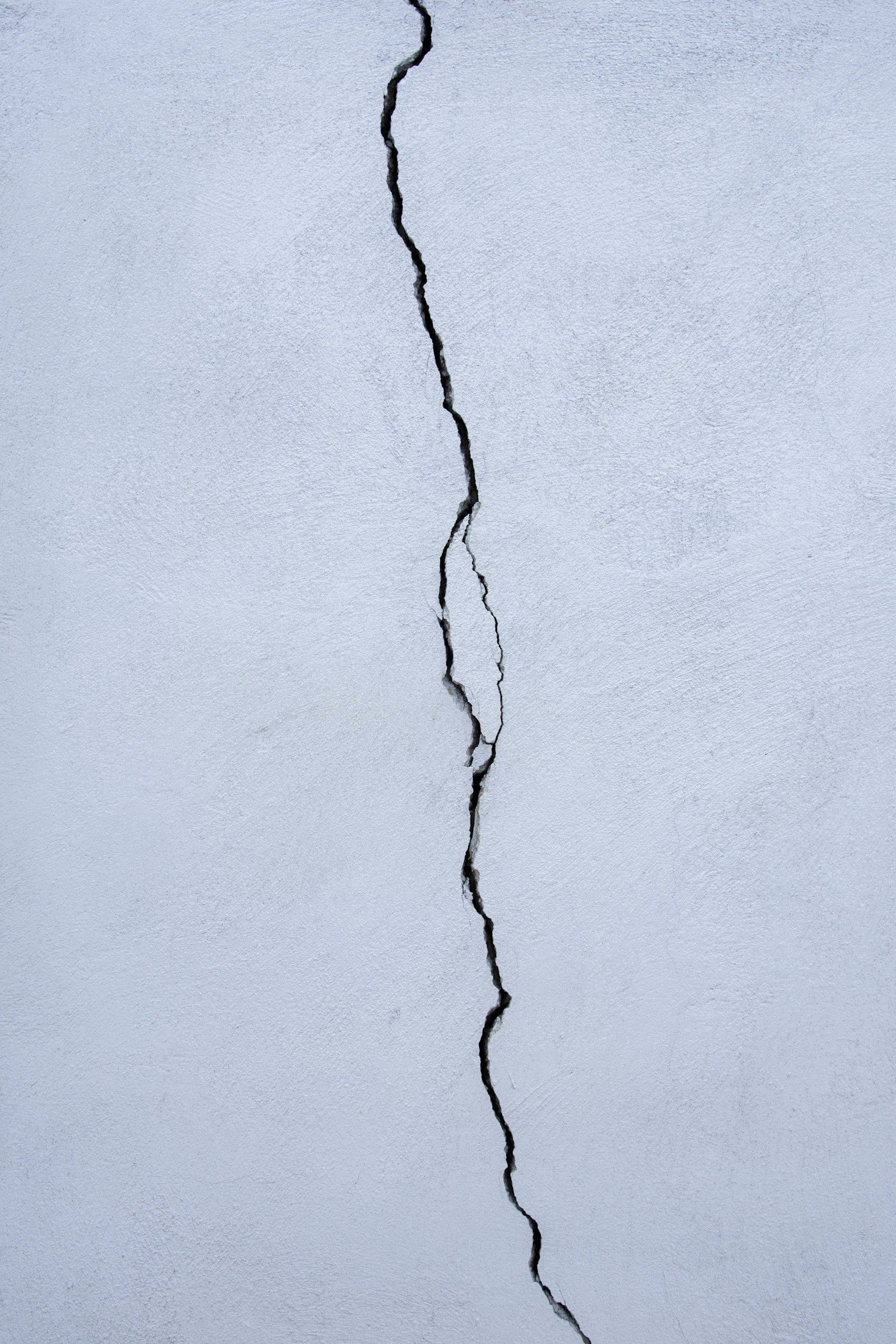
An inspection tells you whether the cracks you are looking at need repair now, need watching, or need nothing at all.
Foundation Inspection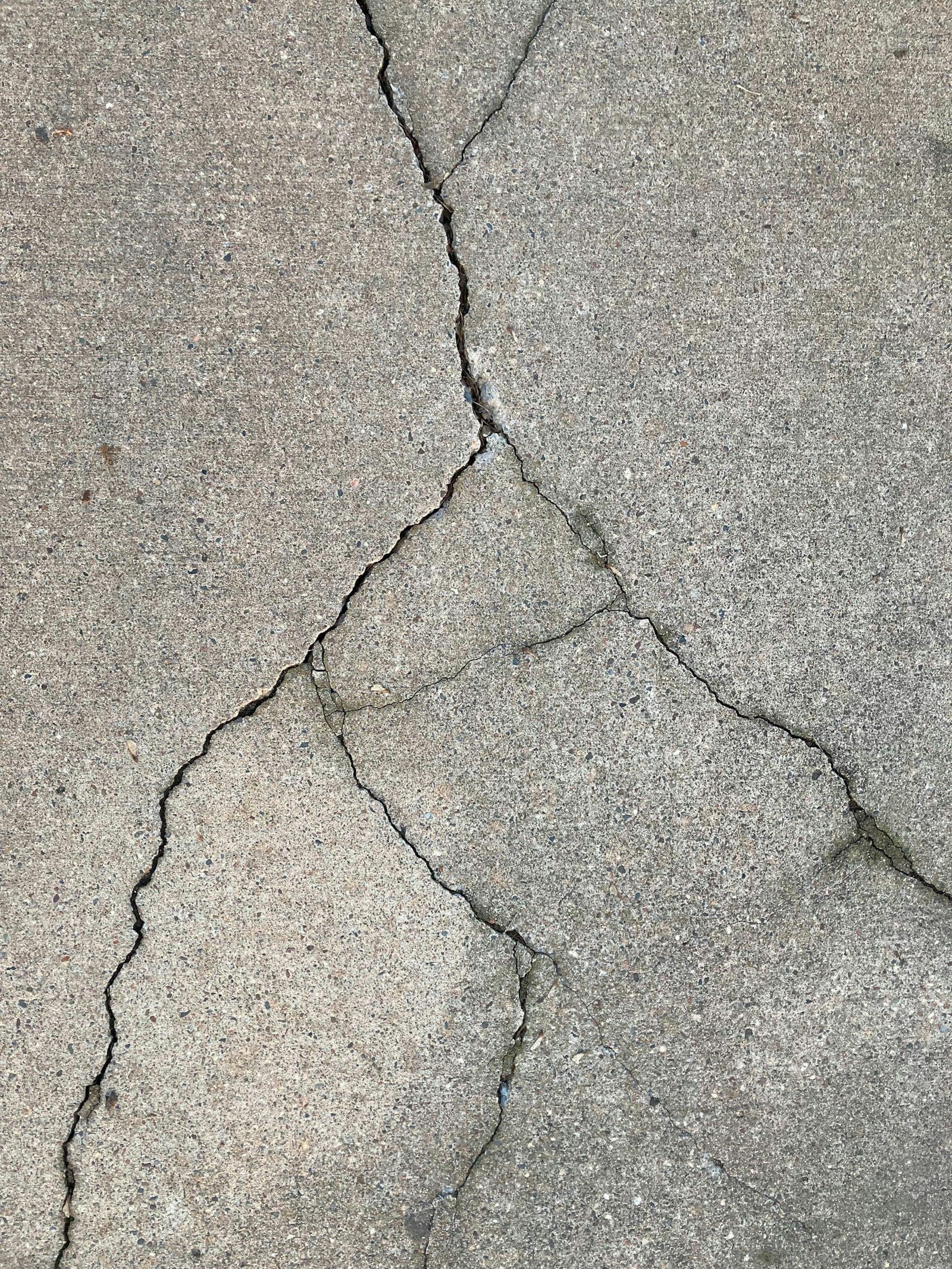
Shop slabs, offices and warehouse floors move for the same reasons houses do, with tenants and racking in the way.
Commercial Foundations
Cracks are mapped and measured before anything is sealed, so you are not paying to fill a line that will reopen.
Foundation Crack Repair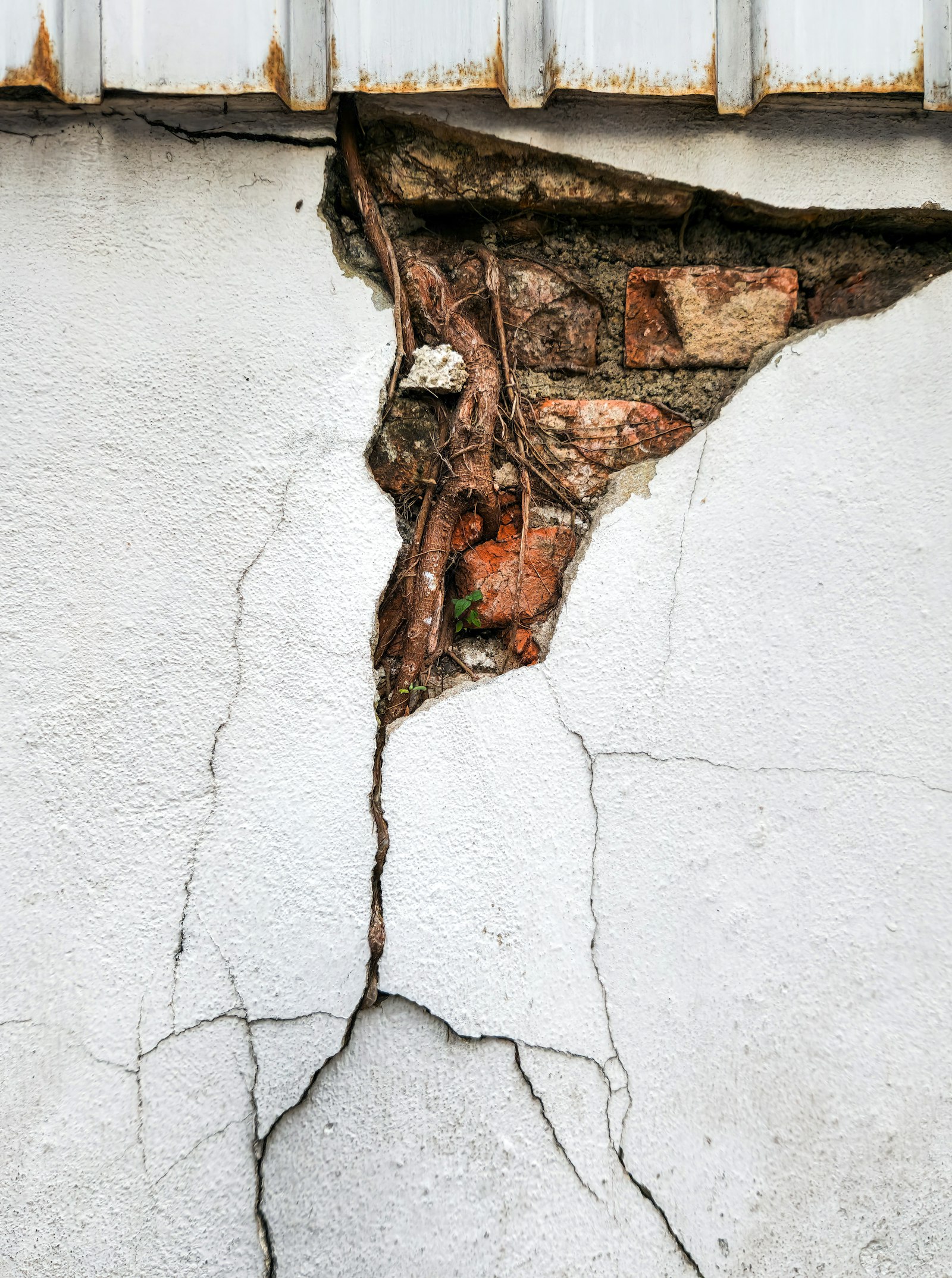
Sagging floors, damaged sills and damp ground under an older house, sorted out from below.
Crawl Space RepairFloor elevations are taken across the whole house so the low areas are on paper. A crack in the brick on its own does not tell you how far a house has moved.
Clay drying out under one side, a plumbing leak below the slab, or water held against a wall lead to different repairs. Ask the provider to find the reason before pricing piers.
Ask for the scope, the number of piers, where they go and the price in writing. Ask the provider about any warranty terms in writing too, not promises made over the phone.
Round Rock sits right where Central Texas changes underfoot. East of I-35 the Blackland Prairie clay runs deep, and it swells after a wet spring and shrinks hard through a dry summer. West toward the Balcones Escarpment the soil thins out over limestone, and many lots were cut and filled to make a level building pad. Both kinds of ground move. They just move differently, and the repair has to match the one you are on.
A door that used to close on its own and now catches at the top corner is what most people notice first. It means one part of the house has moved relative to another.
Warning signs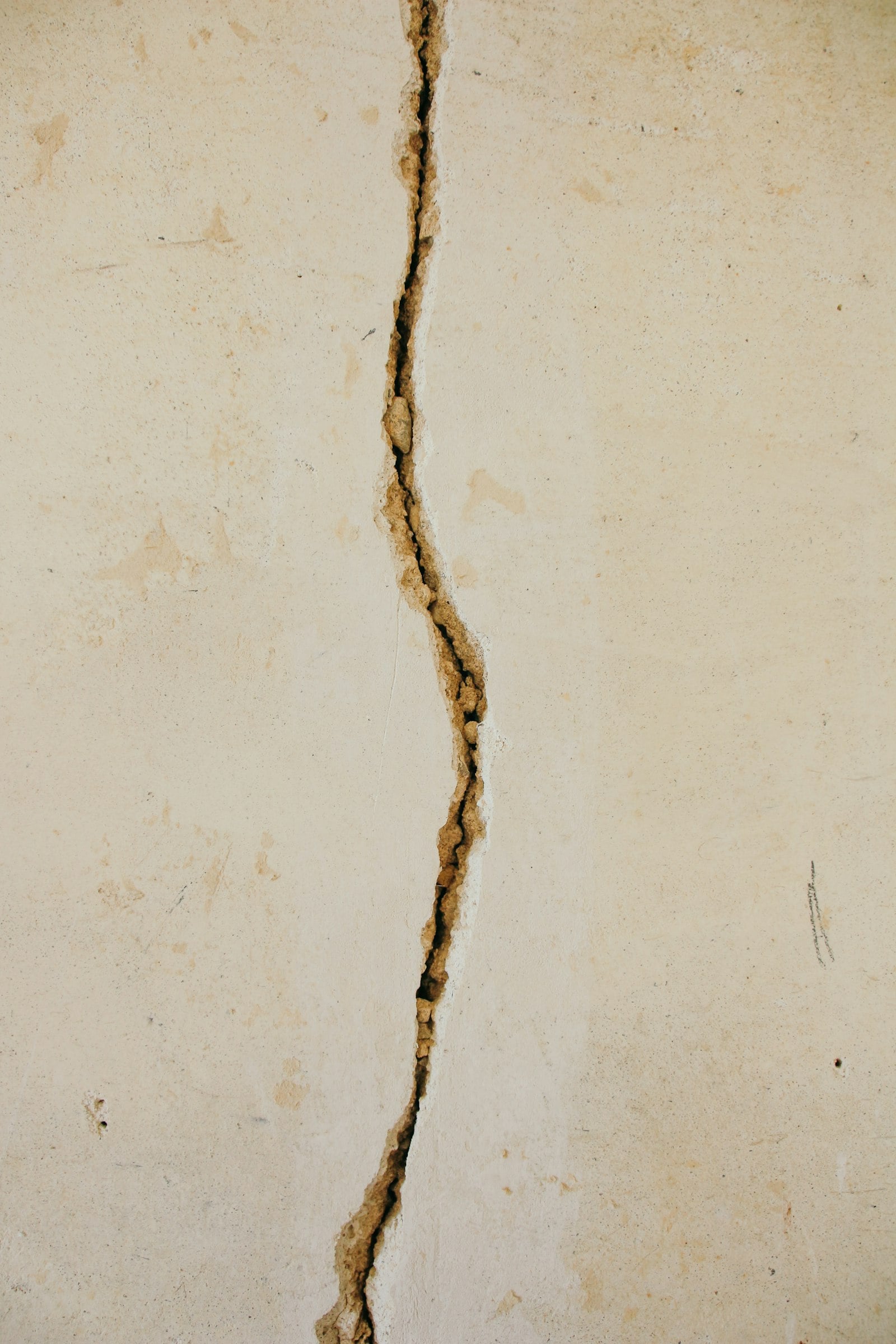
Stair-step cracks through the mortar outside, or a diagonal crack running away from a door frame inside, are worth measuring rather than filling.
Which cracks matter
A ball that rolls to one side of a room and a springy patch of floor in an older house are two different problems with two different repairs.
LevelingSeparation where the brick meets a window, or a chimney leaning away from the wall behind it, says the movement has gone past cosmetic.
Call and describe itWet soil at one corner and baked clay at another is exactly what pulls a slab out of shape. Grading and gutters matter more than most people expect.
Drainage and rootsPressed concrete and steel piers both work in this soil. The lot, the depth to firm ground and how much access there is decide which one fits.
Compare pier typesCall and describe what you are seeing and roughly when it started. Photos of the cracks and the year built help the provider plan the visit.
Floor elevations are taken room by room, the outside is walked for grading and drainage, and the crawl space is checked if there is one.
The provider should show you where the house sits low, what is most likely causing it, and what a repair would involve. Ask for the scope, pier type and any warranty terms in writing.
Piers go in and the house is raised as far as it can safely come. Afterwards you are told what to watch and how to keep the soil moisture steady.

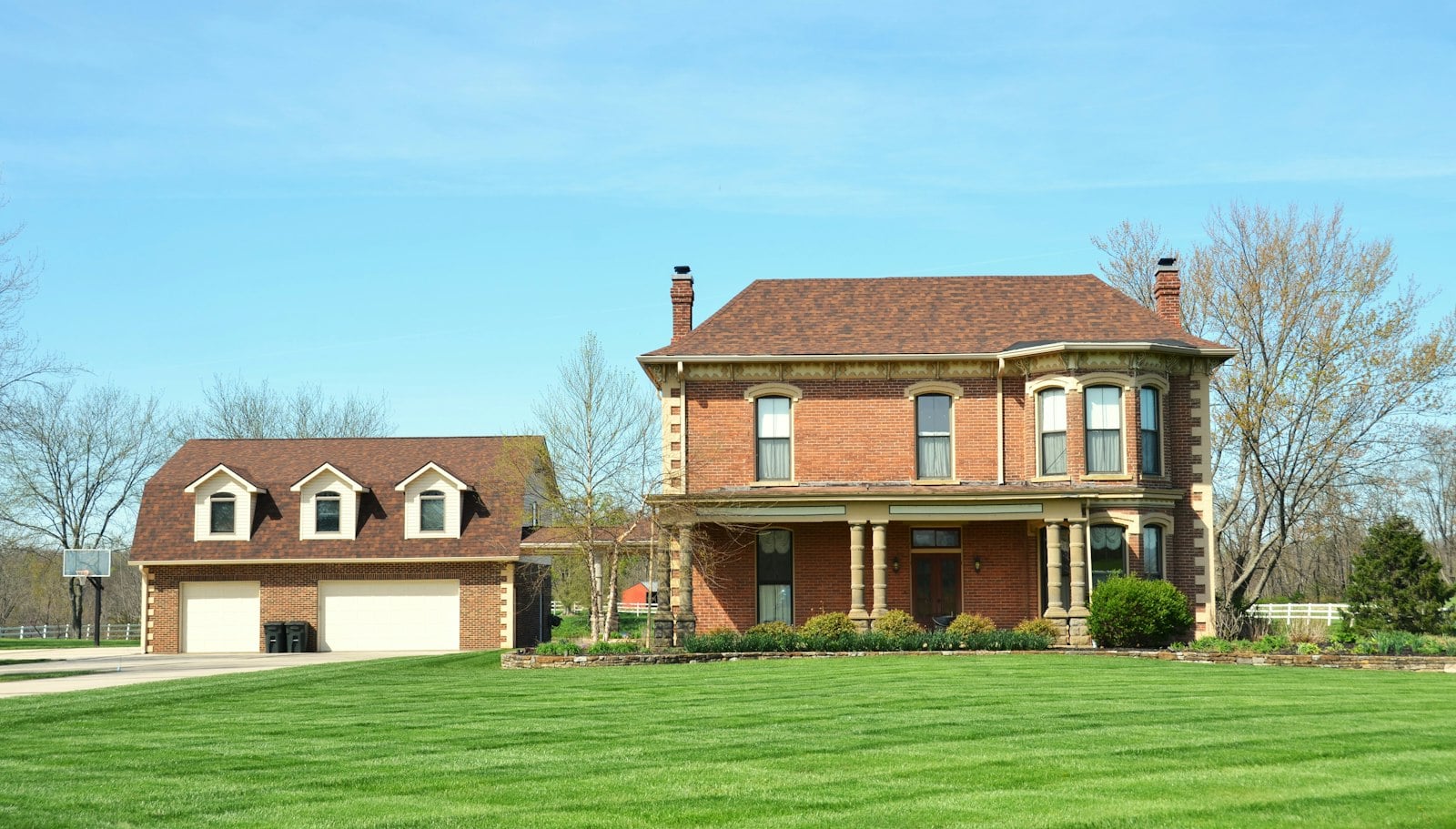
The Victorian houses around the courthouse square and the slab homes out in Sun City sit on very different ground and move in very different ways.
View Georgetown serviceSome of the deepest black clay in the county, under subdivisions that went up quickly on what used to be farmland.
View Hutto service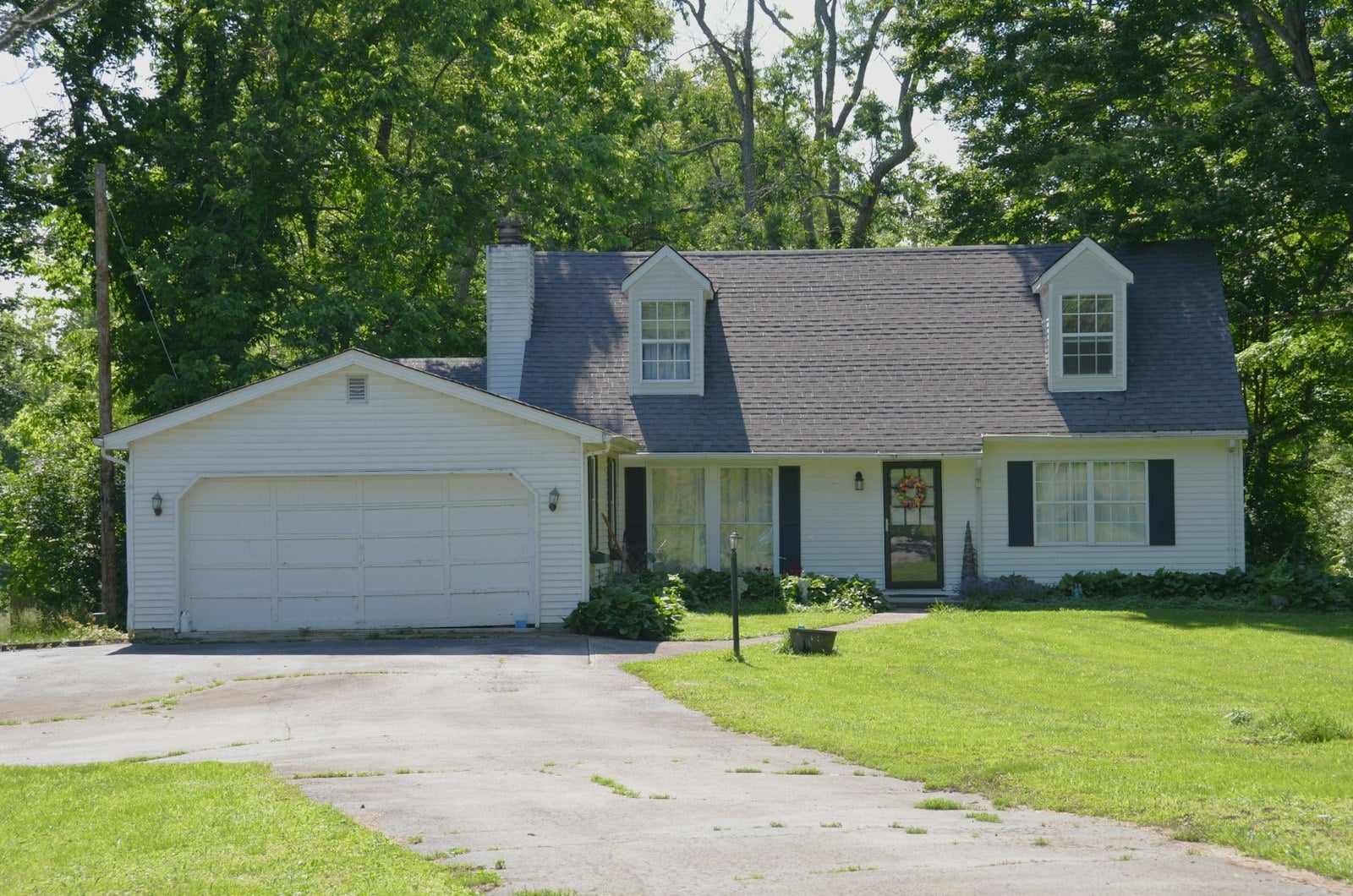
Rock near the surface on one side of a street and imported fill on the other. Cut-and-fill pads need checking before anyone quotes piers.
View Cedar Park serviceNew building everywhere, on rolling ground that was graded flat to make pads. Young slabs move too, and the first years are the telling ones.
View Leander serviceEarly 1900s houses on pier and beam near the old downtown, and new slabs going down on deep farm clay east of town.
View Taylor serviceAn early 1980s district where the trees planted with the houses are now big enough to pull real moisture out of the clay.
View Wells Branch service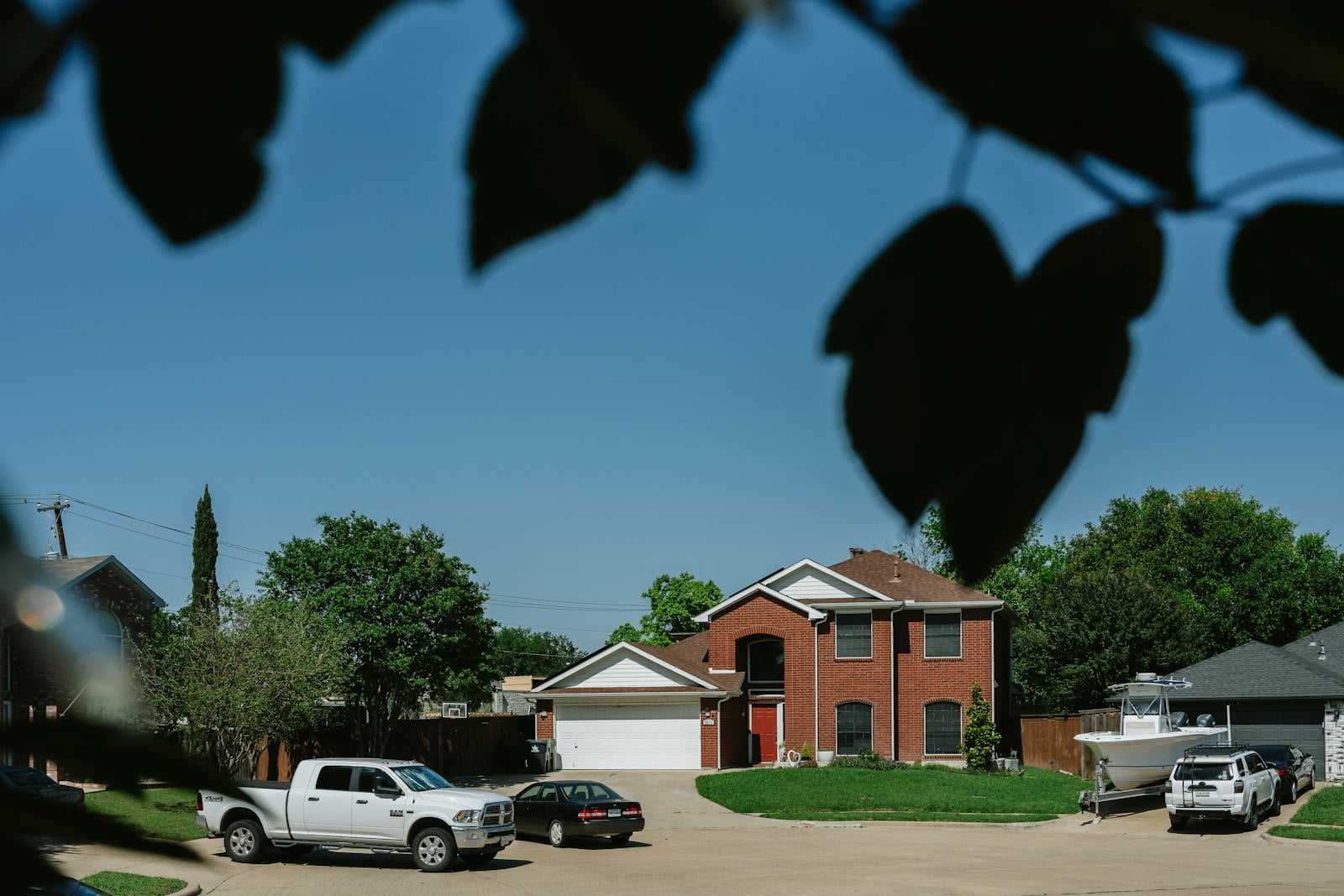
Homes from the 1990s and 2000s along the creek, where the limestone to the west gives way to clay heading east.
View Brushy Creek serviceDeep prairie clay under everything from early 1990s streets to subdivisions finished in the last year or two.
View Pflugerville service
New subdivisions on graded farm ground beside older acreage properties out on the county roads.
View Jarrell serviceThere is no useful answer before someone measures the house. Price follows the pier count, how deep the piers have to go and how hard the property is to work around, and depth varies a lot between the deep clay east of I-35 and the rocky ground to the west. Ask the independent provider for a written quote after elevation readings. See what an inspection covers.
Look for doors that have started catching on one side of the house, cracks that keep coming back after being patched, floors that slope, and gaps where trim or brick meets something else. Signs that persist through a full wet and dry cycle matter more than ones that come and go. Read the warning signs guide.
Round Rock Foundation Repairs connects callers in Round Rock and nearby Williamson County communities, including Georgetown, Hutto, Cedar Park, Leander, Taylor, Wells Branch and Brushy Creek, with independent providers. Mention the full property address, because the ground changes from one side of I-35 to the other. See the service areas.
It depends on the pattern. Stair-step cracks through mortar joints near a corner or a window mean the wall has moved; fine, even hairlines usually do not. Width along the length of the crack and whether it is growing matter more than width alone. Learn which cracks matter.
Whichever reaches ground that holds on your lot. Pressed concrete piers are wide and often suit consistent deep clay; steel piers are narrower, so the same force drives them further, which helps on fill, rock ledges or very deep active soil. The design should follow measurements, not preference. Compare the two pier types.
For most homeowners simply wanting to know what is happening, a measured inspection answers it. An independent engineer is worth the extra step when a sale is in dispute, a lender wants a third-party report, or the plan changes the structure. The engineer works for you, not for the repair company. Start with an inspection.
Usually yes. Exterior pier work happens outside the house, and interior work is confined to the rooms involved. Expect noise, excavated soil stacked in the yard and restricted access along the working side. Ask the provider to explain the phasing in the quote so you can plan around it. See how the process runs.
On this clay, yes. Keeping the soil around the slab at a steady moisture level keeps its volume steady, which reduces seasonal movement. It is maintenance rather than repair and it will not lift a house that has already dropped, but it is the cheapest thing you can do. Read the watering guide.
A short run of exterior piers on a single-story house is often a matter of days; a full perimeter, interior piers or a crawl space rebuild takes longer. Weather and what turns up once the ground is opened both affect it. Ask the provider for an estimated schedule with the quote. See what pier work involves.
Often, because a measured report and completed work with paperwork is a far easier conversation than an unexplained crack and a nervous buyer. At minimum, get the house measured so you know what you are dealing with before a buyer's inspector does. Ask about a pre-sale inspection.
Call and describe what you are seeing and roughly when it started.