Mapping and measuring every crack
Each crack is recorded by location, direction and width so there is a baseline. That record is what makes it possible to say later whether anything is still moving.
A crack on its own says very little. Where it sits, which way it runs and whether it is still opening say a great deal. Round Rock Foundation Repairs measures the house first, repairs the cracks that need repairing and tells you plainly which ones do not.
Almost every house around Round Rock is sitting on clay that swells after a wet spell and shrinks back through a dry summer. Some cracking is the ordinary result of that cycle and of concrete curing. The cracks that matter are the ones tied to one part of the house sitting lower than the rest, which is a measurement question rather than a visual one.
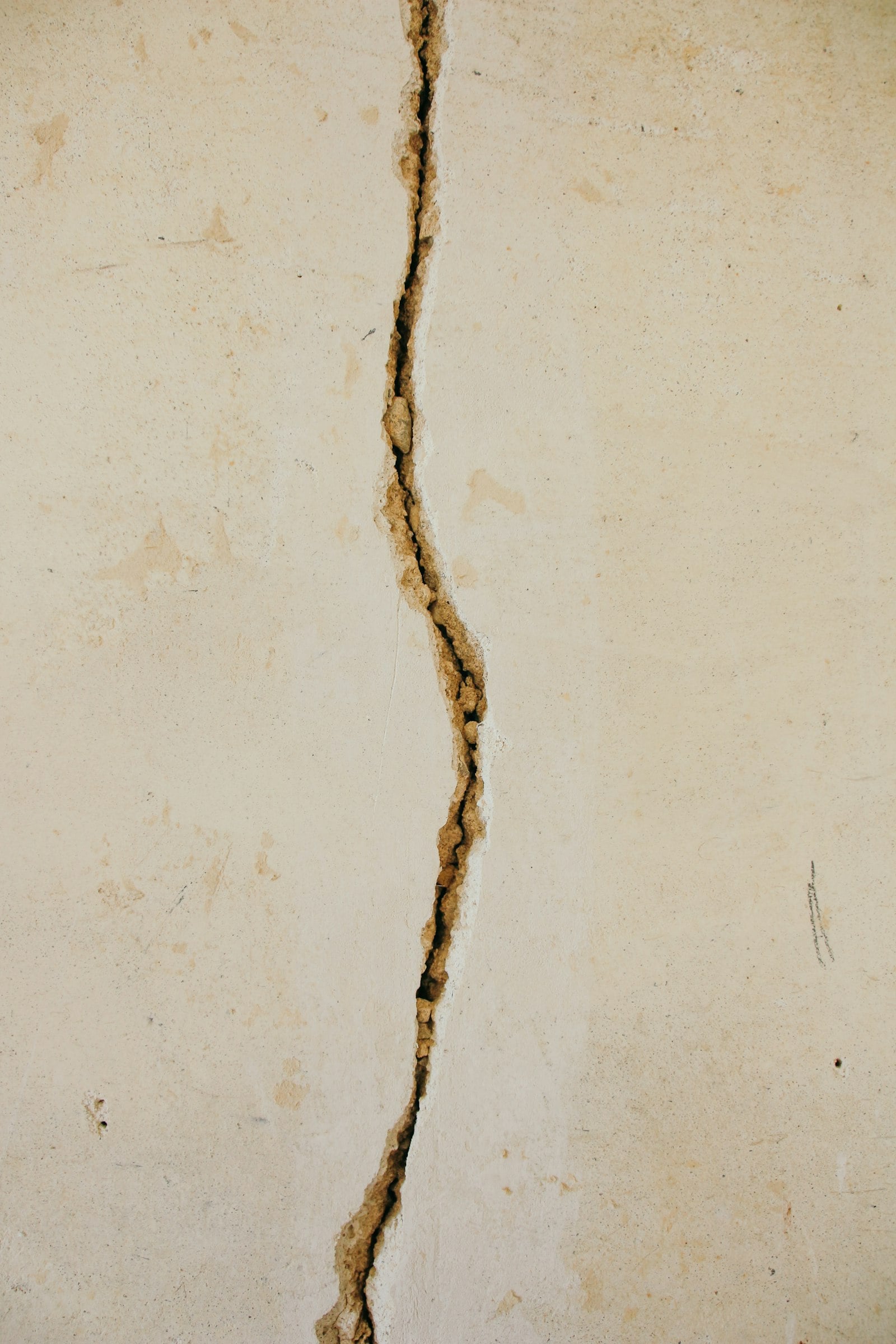
Crack work is done after the house has been measured, so you are never paying to seal a line that is about to reopen.
Each crack is recorded by location, direction and width so there is a baseline. That record is what makes it possible to say later whether anything is still moving.
Sound concrete with a dormant crack can be injected and bonded back together. Where water is getting through, a flexible polyurethane seal suits better than a rigid epoxy one.
If the readings show a section of the house has dropped, the honest answer is that sealing alone will not hold. The support and the moisture around it get dealt with first.
Where a crack is cosmetic and stable, the sensible plan is often to record it, keep the soil moisture around the house steady and repair the finish at your convenience. Our drainage and root barrier page covers the outside work that keeps it that way.
Where the readings show real elevation loss, the crack is a symptom. That is a slab repair or a support conversation, and the choice of pier type is set out in the pressed concrete and steel pier comparison. Either way the starting point is an inspection with elevation readings.
If you would rather read up before calling, which cracks matter walks through the common types. We cover crack repair across Pflugerville and the rest of our service area.
How many cracks there are, how long and deep they run, whether they are being injected or simply sealed, and whether any support work is needed underneath. Sealing a few dormant lines is a small job; repairing cracks caused by a section of the house dropping is a different piece of work. Round Rock Foundation Repairs puts the scope and the price in writing after the readings are taken.
Width, direction and change over time. Fine vertical hairlines in concrete are usually shrinkage. Stair-step cracks in brick, diagonals running out of door frames, and cracks that are wider at one end are the ones tied to movement. Any crack that is measurably wider than it was six months ago deserves a proper look, whatever its size.
Filling a crack in drywall or mortar is not dangerous, and plenty of people do it. The catch is that you lose the evidence. If the crack was moving, it will come back through the patch and you will have no record of how quickly. Photograph and date it first, and do not chip out concrete or dig against the slab to investigate.
Some close, some narrow and some stay as they are. Nobody can promise a house will go back to the way it looked before it moved, and you should be wary of anyone who does. Cosmetic repairs to drywall, paint and mortar are normally a separate trade and priced separately. How it works explains the sequence.
Send photos of the worst cracks and tell us roughly when they appeared, and we will plan the visit around them.