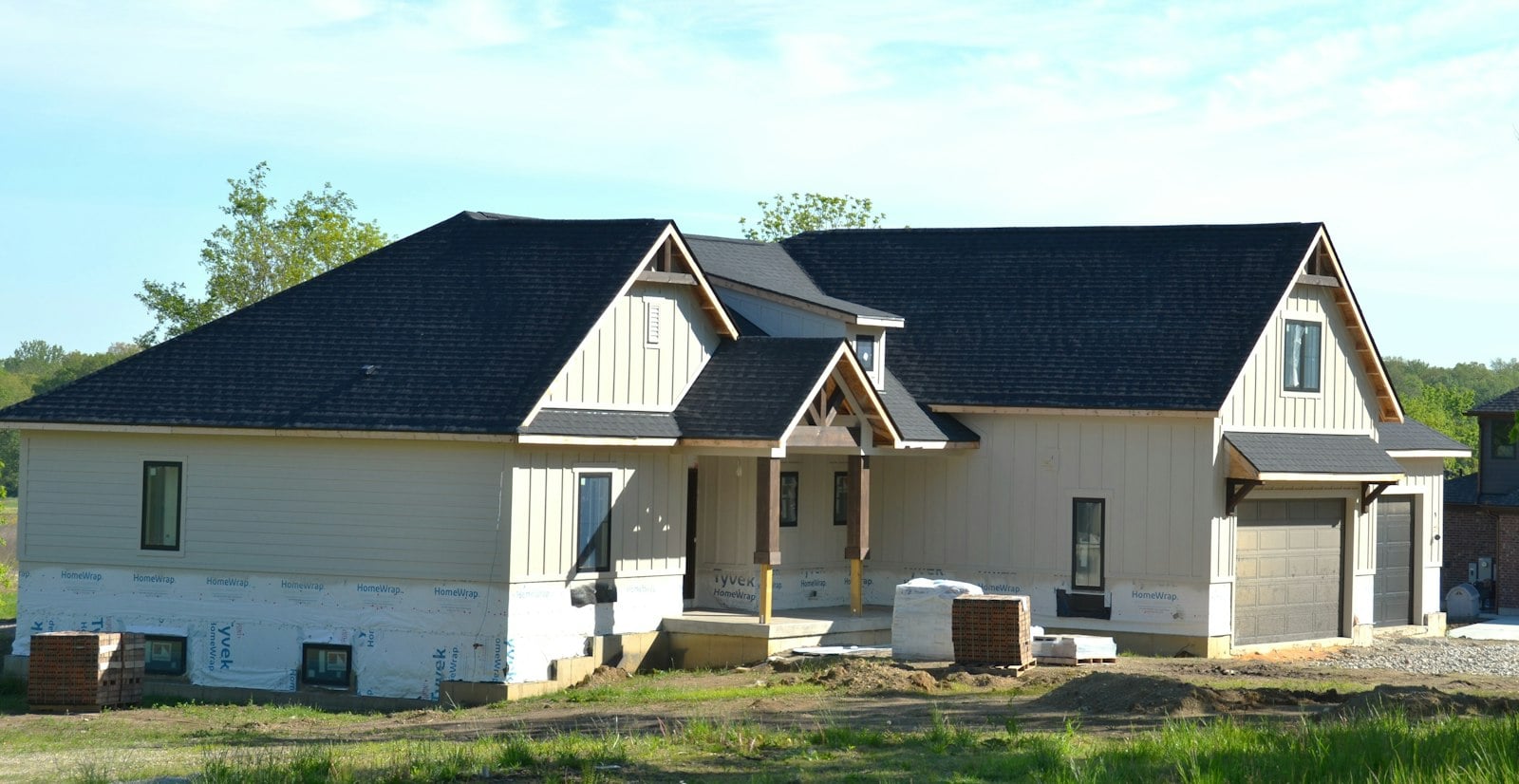
Foundation Piers
Where a slab has dropped and stayed down, piers carry the load past the soil that keeps changing volume.
Foundation PiersJarrell sits up I-35 north of Georgetown, where a small farming town has picked up a ring of new subdivisions built on ground that was crop land a few years ago. Add the older houses and acreage tracts out on the county roads and you get two very different foundation conversations. Round Rock Foundation Repairs measures both the same way.
Where a slab has dropped and stayed down, piers carry the load past the soil that keeps changing volume.
Foundation Piers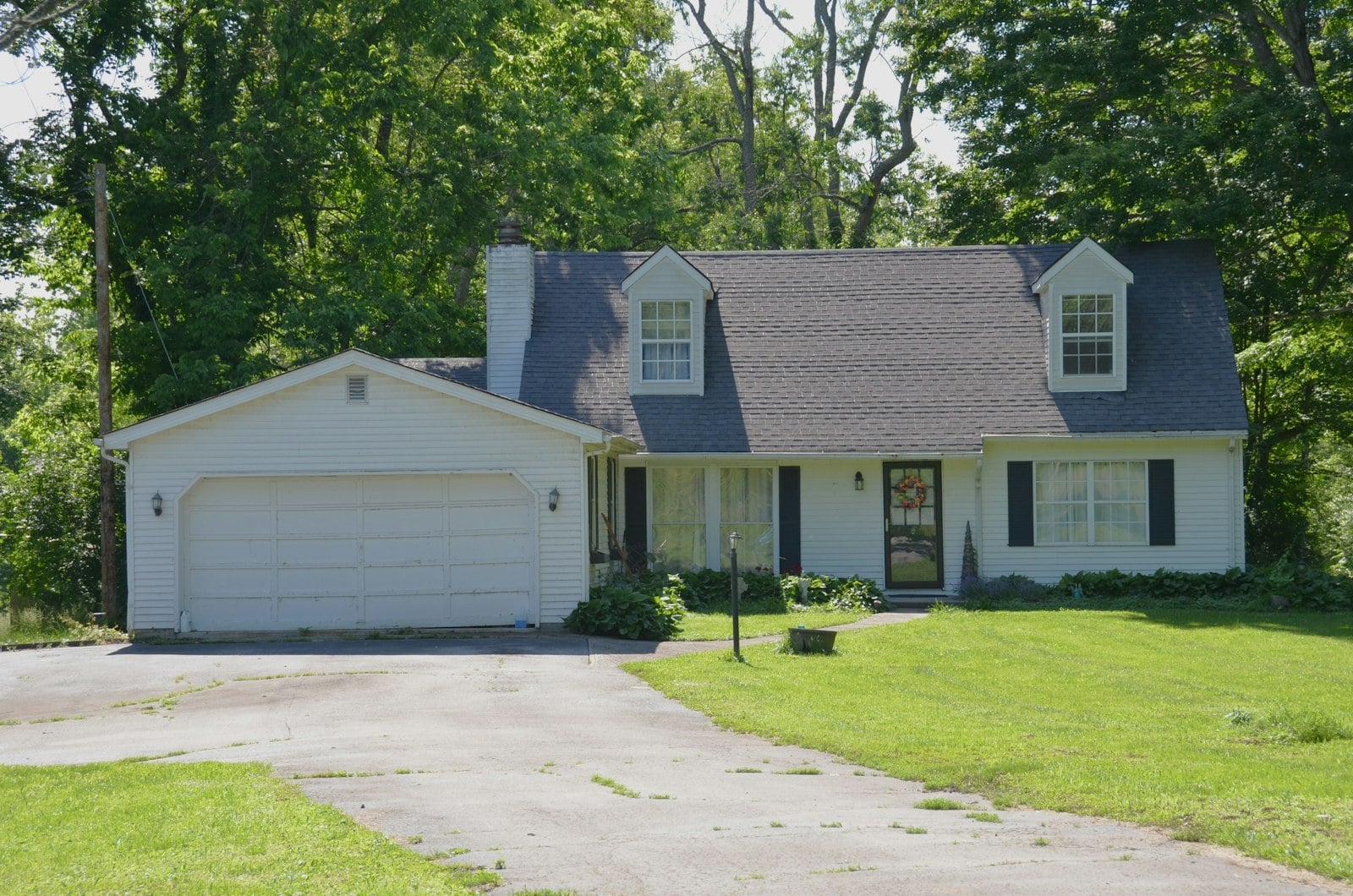
Older farmhouses out on the county roads sit on supports and beams that need checking from below.
Crawl Space Repair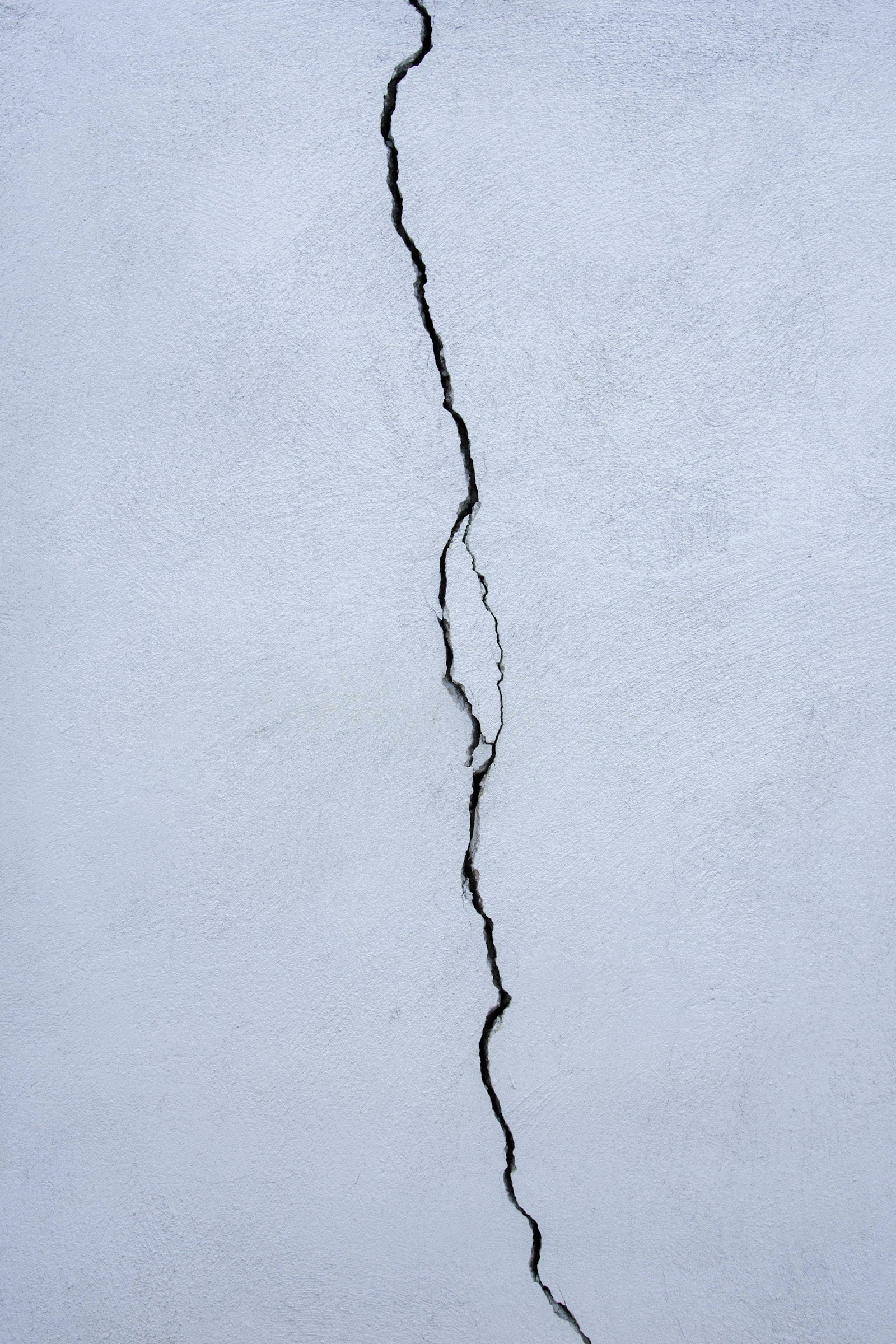
Room-by-room elevation readings and a drainage walk, with a plain explanation of what the numbers mean.
Foundation InspectionThis is deep prairie clay and it was farmed for a long time before anyone built on it. On a new subdivision lot that history matters: topsoil gets moved, cut and fill is placed to make level pads out of gently rolling ground, and old field drainage is cut through. None of that is unusual or a defect, but it does explain why two houses on the same street can read differently, and it is worth telling us what you know about the lot.
Out on the acreage tracts the picture changes again. Houses sit further from a street drain, rainwater has to leave across the lot itself, and properties away from a city main are often on a well, which tends to make owners cautious about running a soaker hose through a dry summer. That is understandable, and it is exactly why we talk about where the water goes before we talk about piers. Tell us the year the house was built, whether the slab is post-tension and how the ground falls away from the walls.
Cut and fill under a graded pad can settle at a different rate from undisturbed soil next to it. Readings show it clearly; guessing does not.
No curb to carry water away means grading, gutter outlets and the route across the lot do the whole job. Standing water near a wall shows up in the readings later.
Pre-slab houses with a crawl space underneath, often with decades of added supports and shims from previous owners, get inspected from below first.
On this soil the first thing worth establishing is whether a house is moving with the seasons or has settled permanently. A house that rises in a wet winter and drops back through summer usually needs steadier moisture around it rather than piers, which means moving rainwater away from the slab and watering evenly in a drought. A house that dropped and stayed low is a support problem.
If piers are the answer, depth to firm bearing is the thing that matters most on deep clay, and the pier comparison explains how the choice between pressed concrete and steel is made. The plan comes out of the readings and lands on your quote with the pier count and locations shown.
The nearest large stretch of similar housing is just south in Georgetown. You can ask for an inspection or read the warning signs guide first.
The price follows the number of piers, the depth they have to reach and how easy the house is to work around. Acreage properties sometimes allow easier equipment access than a tight subdivision lot, which can help. Round Rock Foundation Repairs sets the scope and the figure in writing after the elevation readings, never over the phone.
Round Rock Foundation Repairs covers Jarrell, the subdivisions along the I-35 frontage and the properties out on the surrounding county roads. Give us the address, the year built and whether the house is on a slab or has a crawl space. The services page explains what each visit involves.
Inspections are booked by appointment and there is usually something within a few days, depending on the week. Call to check current availability. If you are buying and working to an option period deadline, mention the date and we will try to get out before it.
No, and it is worth being firm about that. Water and gas services run around and under houses, and a trench alongside a slab changes the soil moisture right where it matters most. Take photos, note the date, and let the inspection establish what is happening below ground.
Some seasonal movement is normal on clay this active, whatever the age of the slab. What is not normal is one corner dropping and staying down, or cracks that widen steadily month after month. Two sets of readings a season apart will tell you which one you have. Builder warranty terms may still apply, so check them before commissioning work.
Not on its own, but it changes what the readings mean. Land that was cropped and graded has had topsoil moved and fill placed to make level building pads, and fill settles differently from ground that was never disturbed. If you know something about the lot's history, tell us, because it often explains a pattern we would otherwise have to investigate.
Tell us the age of the house, whether it is slab or crawl space, and how the lot drains.