Foundation Underpinning Service in Round Rock
A foundation underpinning service in Round Rock adds piers under a slab or pier and beam home so it rests on firmer support instead of shifting clay. The right provider starts with an inspection, explains why underpinning is or is not needed, and gives you a written plan and quote before any work begins.
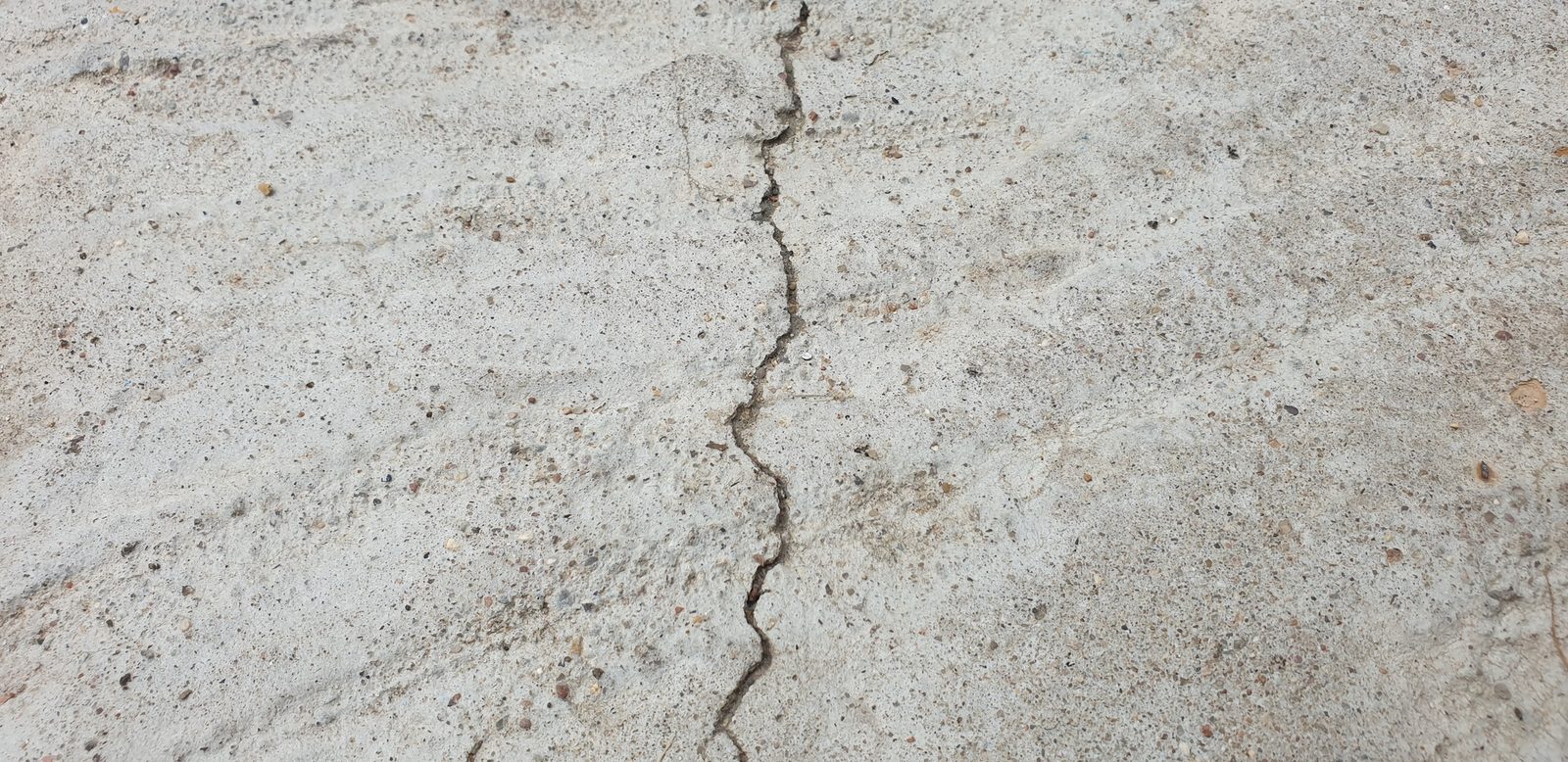
- Underpinning means adding support, usually piers, below a foundation so it bears on deeper, more stable ground.
- Not every crack needs underpinning. Drainage fixes, monitoring or minor repairs can be the right answer for small, stable movement.
- A good provider explains the cause of the movement, the pier type, how many piers and where, before you agree to anything.
- The USDA NRCS says Houston Black clays in the Blackland Prairie shrink and swell markedly with changes in moisture content.
- Always get the plan and quote in writing, and ask for an engineer's review when signs are severe.
What does a foundation underpinning service actually do?
A foundation underpinning service in Round Rock strengthens a foundation by placing new supports, usually piers, beneath it so the home rests on deeper, steadier ground. The goal is to stop or limit further settling and, where possible, lift low areas back toward level.
Underpinning is not one single method. Depending on the house and the soil, a provider may suggest one of these:
- Pressed concrete piers: stacked concrete cylinders pushed into the ground under the slab.
- Steel piers: steel sections driven deeper until they meet strong resistance.
- Helical piers: steel shafts with screw-like plates turned into the soil, often used for lighter loads.
- Drilled or poured piers: holes drilled and filled with concrete and steel.
Each option has trade-offs in depth, access and cost drivers. Our guide to pressed concrete vs. steel piers compares the two most common choices, and the foundation piers and underpinning page explains how piers work.
How do I know if my house needs underpinning or something else?
Your house may need underpinning when signs of settling keep getting worse: diagonal cracks that widen, doors that stop latching, floors that slope more each season, or gaps between brick and window frames. If cracks are small and stable, drainage work or monitoring may be enough.
Underpinning addresses a foundation that has dropped or keeps dropping. It does not fix water problems on its own. Many Round Rock homes move because the soil around them dries and wets unevenly, so a provider should look at gutters, grading and trees too.
Signs that usually point toward a closer look at underpinning:
- Stair-step cracks in brick that get wider over a few months.
- A corner of the house that is clearly lower than the rest.
- Cracks in the slab edge with one side higher than the other.
- Doors and windows on the same side of the house all sticking.
When signs are severe, such as wide gaps, doors that will not close or a strong floor slope, ask for a qualified inspection or a structural engineer before deciding on any repair.
What should I look for when choosing a foundation underpinning service?
When choosing a foundation underpinning service, look for a provider who inspects before recommending, explains the cause of the movement in plain words, and puts the pier plan and price in writing. Be careful with anyone who quotes underpinning over the phone or before measuring the floor.
A careful provider will usually:
- Measure first. Take floor elevation readings and note where the low and high spots are.
- Name the cause. Explain whether the movement looks like settling, soil swelling, drainage or a plumbing leak.
- Show the plan. Mark how many piers, where they go and which type, often on a simple drawing.
- Talk about drainage. Point out water issues that could undo the repair if left alone.
- Welcome a second opinion. Be fine with you asking an engineer to review the plan.
Pressure to sign on the spot, vague line items, or a plan with no drawing are reasons to slow down and compare.
Need help now? Call to be connected with a local provider in Round Rock who can check availability for your address.
What questions should I ask a foundation underpinning service before hiring?
Before hiring a foundation underpinning service, ask what is causing the movement, what pier type they suggest and why, how many piers are planned and where, how deep they expect to go, and what the written quote includes. Clear answers make providers easier to compare.
- What do you think is causing my foundation to move?
- Which pier type do you recommend for my house and soil, and why that one?
- How many piers, and can you show me where on a drawing?
- How will you decide how deep each pier goes?
- Do you suggest a plumbing test or drainage changes first?
- Should an engineer review this plan?
- Does the job need a city permit where I live?
- What is included in the quote, and what could change it?
What affects the cost of foundation underpinning?
The cost of foundation underpinning depends mostly on how many piers are needed, which pier type is used, how deep they go and how easy it is to reach the work area. Extra items like engineering, permits, plumbing tests and drainage work also change the total.
- Number of piers: A single settled corner needs far fewer piers than a whole side of the house.
- Pier type and depth: Deeper steel piers and drilled piers usually involve more material and labor than shallow options.
- Access: Patios, landscaping, driveways and tight side yards can add digging and restoration work.
- Interior work: Some slab jobs need access from inside the house, which adds floor removal and patching.
- Foundation type: Pier and beam homes may need shimming or beam work along with new supports.
- Extras: Engineer reports, permits, plumbing tests and drainage or root barriers.
Is foundation underpinning a permanent fix?
Foundation underpinning can give long-lasting support, but no repair can promise a house will never move again. Underpinning supports the areas where piers are placed. Soil under unsupported parts of the house can still shrink and swell, so drainage and moisture control still matter.
This is why a good underpinning plan looks at the whole house, not just the worst crack. Ask the provider which areas will be supported, which will not, and what you should watch for afterward. Simple habits help, like keeping gutters clear, making sure soil slopes away from the slab and noticing new cracks early.
What happens during the visit?
When you call to be connected with a local provider, the visit starts with an inspection. The provider walks the inside and outside of the house, looks at cracks in walls, brick and the slab edge, checks doors and windows, and takes floor elevation readings to map high and low areas. They also look at gutters, grading, trees and any signs of plumbing leaks.
Next, they explain your options in plain terms. That may be monitoring and drainage changes, foundation leveling with piers, or a full underpinning plan with a drawing showing pier locations. If the signs are severe, they may suggest a structural engineer's review first.
Before any work starts, you should get a written quote that lists the pier type, the number and location of piers, any interior or exterior access work, and extras like permits or drainage. Take your time to read it, ask questions and compare.
Why do so many Round Rock homes need underpinning?
Parts of Round Rock, along with Hutto, Taylor and Georgetown, sit in or near the Blackland Prairie, which extends from north of Dallas south to San Antonio. The USDA NRCS says the region's Houston Black clays shrink and swell markedly with changes in moisture content, and their very high shrink-swell potential commonly is a limitation affecting building site development. The NRCS also describes cracks 1/2 to 4 inches wide at 12-inch depths in this soil during dry periods.
That kind of soil movement is exactly what underpinning tries to work around, by setting piers below the layer that shifts the most. Long, hot summers add to the drying. Austin's record high is 112°F, and in 2011 Austin had 90 days of 100°F or higher.
Most newer homes in the area are on slabs. The National Association of Home Builders reports that 97.9% of new single-family homes in the West South Central census division, which includes Texas, were built on slab foundations in 2024. Older homes in Cedar Park and Leander may be different, so the right underpinning approach depends on the house. If you see signs of settling, call to be connected with a local provider for an inspection.
Related pages
Questions people ask
What is a foundation underpinning service?
A foundation underpinning service adds supports, usually piers, beneath a foundation so it rests on deeper, more stable ground. It is used when part of a house has settled or keeps settling.
How do I find a foundation underpinning service in Round Rock?
Call to be connected with a local provider who can inspect your foundation. They can measure your floors, explain whether underpinning is needed and give you a written quote before any work.
How do I know if my foundation needs underpinning?
Underpinning is usually considered when settling signs keep getting worse, such as widening diagonal cracks, sloping floors and doors that stop latching. Small, stable cracks often need only monitoring or drainage fixes.
What is the difference between underpinning and foundation leveling?
Underpinning adds new support below the foundation, while leveling lifts low areas back toward level. They often happen together, since piers are usually what the house is lifted on.
Which is better for a Round Rock house, steel piers or concrete piers?
Neither is right for every house. The choice depends on the soil, the weight of the home, how deep stable ground is and access, so ask the provider to explain why they picked one type for your home.
How many piers does a house usually need for underpinning?
It depends on how much of the foundation has moved. A single settled corner may need only a few piers, while a whole side of a house needs many more, so the count should come from floor measurements.
What affects the cost of foundation underpinning in Texas?
The main cost drivers are the number of piers, the pier type, how deep they go and how hard the area is to reach. Engineering, permits, plumbing tests and drainage work can also change the total.
Do I need a structural engineer before foundation underpinning?
Not always, but it is wise when signs are severe or providers disagree on the plan. An engineer can give an independent view of what the house needs.
Can underpinning be done on a pier and beam house?
Yes. Pier and beam homes can get new or reset piers, and the work often includes shimming or beam repairs along with added support.
Will underpinning stop my foundation from ever moving again?
No repair can promise that. Underpinning supports the areas where piers are placed, but soil under other parts of the house can still move, so drainage and moisture control still matter.
Should I fix drainage before getting foundation underpinning?
Often both should be planned together. Poor drainage can keep soil moving, so a good provider will point out water problems that could affect the repair.
Can underpinning crack my drywall or tile?
It can. Lifting a foundation can open or close existing cracks and sometimes stress tile or plumbing, so ask the provider what to expect before work starts.
Does homeowners insurance pay for foundation underpinning in Texas?
It depends on your policy. The Texas Department of Insurance lists damage to foundations or slabs as an optional add-on, so check your policy for a foundation or slab endorsement and document everything.
Do I need a permit for foundation underpinning in Round Rock?
Permit rules depend on the city and the scope of the job. Ask the provider whether a permit is needed where you live and who will handle it.
What should a written underpinning quote include?
A written quote should list the pier type, the number and location of piers, any interior or exterior access work, and extras like permits, engineering or drainage. A drawing of pier locations makes it easier to compare quotes.
Is it worth getting a second opinion on foundation underpinning?
Yes, for a large job a second opinion is reasonable. Comparing two written plans shows whether the pier count and approach make sense for your home.
Why does expansive clay soil cause foundation problems in Round Rock?
Expansive clay shrinks when it dries and swells when it gets wet, which can push and drop parts of a foundation. The USDA NRCS describes the Houston Black clays of the Blackland Prairie as shrinking and swelling markedly with moisture changes.
Will a buyer ask about foundation underpinning when I sell my home?
Often, yes. Buyers and inspectors commonly ask about past foundation work, so keep the inspection notes, drawings and final paperwork from the job.
Talk to someone about your foundation problem
Call to be connected with a local provider who can check availability for your address and explain the next step.