Watering Your Foundation in Texas
Soaker hoses, drought summers and even moisture around the slab. Why watering a foundation is a real thing on Central Texas clay, and how to do it without overdoing it.
- Upfront Quotes
- Slab & Pier and Beam
- Residential & Commercial
By the Round Rock Foundation Repairs team · Updated September 2026
Why Watering Helps on Clay
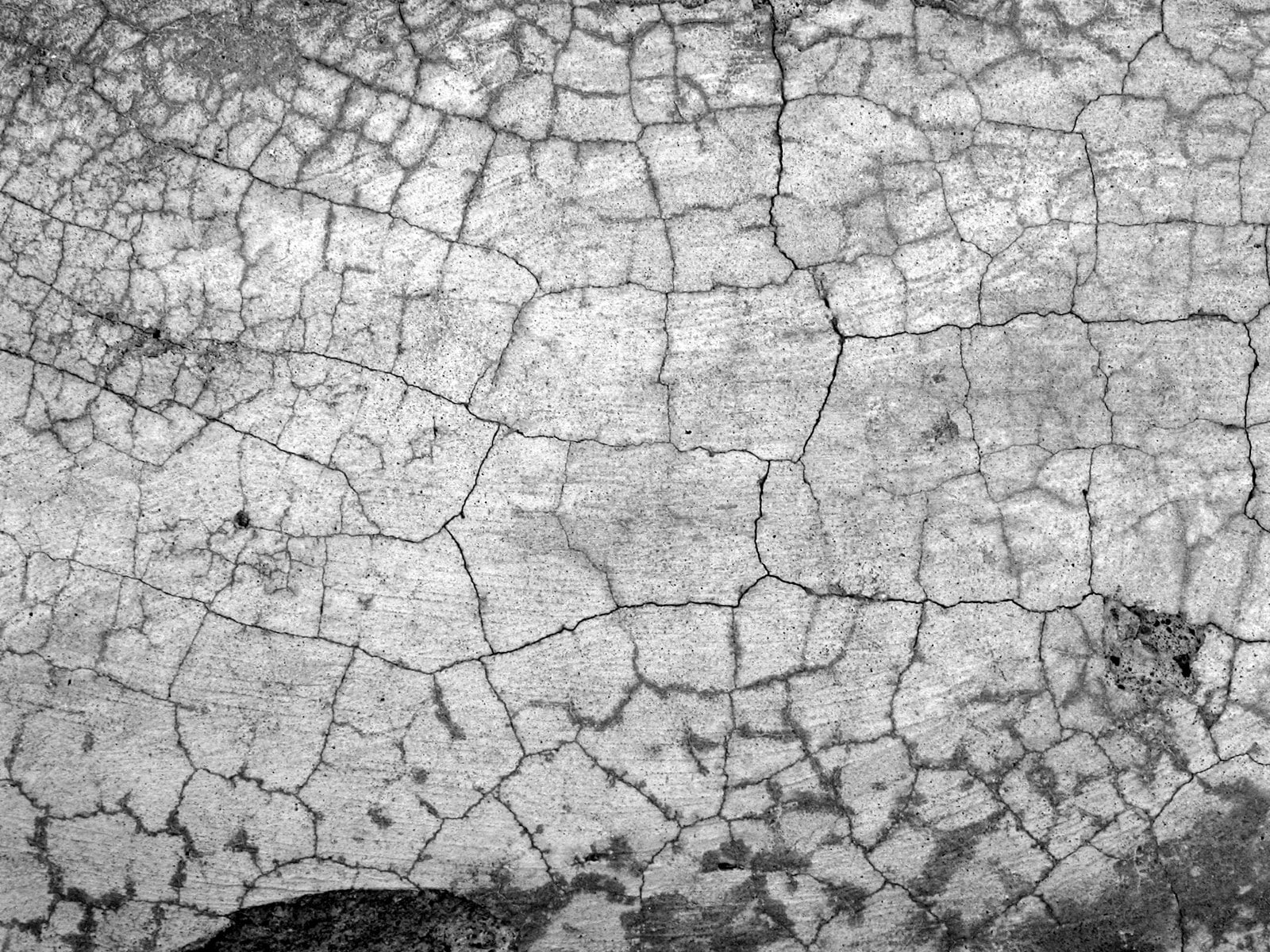
Blackland Prairie clay changes volume with the water in it. Wet it and it swells; dry it out and it shrinks, sometimes enough to pull away from the edge of a slab and leave a gap you can get your hand into. A house sitting on soil that is doing that every year moves with it.
The point of watering is not to soak the ground. It is to keep the moisture reasonably constant so the soil volume stays constant. Stability is what you are after, not saturation, and the difference between those two matters.
This is also why the worst damage tends to arrive after a long drought rather than during a wet year. The clay shrinks away, one part of the house loses its support, and the movement that follows does not fully reverse when the rain finally comes back.
Where to Put the Hose
A soaker hose laid in a loop around the house, roughly twelve to eighteen inches out from the slab edge, is the usual approach. Far enough out that you are wetting the soil that supports the edge, not undermining it; close enough that it actually reaches the right ground.
Keep the hose at a consistent distance the whole way around. Uneven watering is worse than none at all, because it creates exactly the differential the house cannot handle. If part of the perimeter is under a porch, a patio or a driveway, that section stays drier by nature and should be taken into account rather than compensated for by flooding the accessible side.
How Often and How Much
Little and often beats occasional heavy soakings. Short runs several times a week through a dry summer keep moisture steady far better than an hour of water once a two weeks, which mostly runs off or soaks in unevenly.
Watch the soil rather than the clock. If the gap at the slab edge is opening up, you are behind. If water is pooling or the beds stay soggy, ease off. Check your local watering rules before setting a schedule, since restrictions during a drought apply to foundation watering too, and the rules change from year to year.
Mistakes Worth Avoiding
The biggest one is starting a heavy watering routine on soil that has already shrunk badly. Rapidly rehydrating clay that has pulled away can cause its own movement as it swells back. If a large gap has already opened, reintroduce moisture gradually.
The second is watering only where it is easy. A flower bed along the front gets soaked while the side yard behind the fence gets nothing, and the house ends up with a wet side and a dry side. The third is letting a sprinkler head spray the wall or the slab instead of the soil, which does nothing useful and can cause other problems.
Trees, Beds and Drainage
Large live oaks and cedar elms pull enormous volumes of water out of the ground in a dry summer. A tree close to the house competes with your soaker hose and usually wins. That is where a root barrier can help, redirecting feeder roots downward instead of under the slab.
Watering also has to work with drainage, not against it. If the ground slopes toward the house, or a downspout empties beside the wall, you already have too much water in one spot and adding more makes it worse. Sort the grading and the gutters first; our drainage and root barriers page covers both.
Watering Through a Round Rock Summer
Summers here regularly run weeks without meaningful rain and with daily highs that pull moisture out of bare soil fast. East of I-35, where the clay is deepest, that is when gaps open along slab edges and doors start to catch. West toward the escarpment the soil is thinner over rock, so there is less of it to shrink, but clay pockets between the rock can still move.
Older neighborhoods are where watering pays off most, because mature trees planted decades ago are now drawing heavily from the same soil supporting the slab. The 1980s housing covered on our Wells Branch page is a good example of that combination. Start the routine before the ground dries out, not after.
Arrange an Inspection
Watering is maintenance, not a repair. It slows the cycle and it helps a repaired house stay where it was put, but it will not lift a slab that has already dropped. If doors have started sticking or cracks are widening, get measurements. Round Rock Foundation Repairs takes elevation readings and explains them on the inspection page.
If the readings show real movement, piers are what hold a house up, and the pier comparison explains the choice. To talk it through first, get in touch.