Does Homeowners Insurance Cover Foundation Repair in Texas?
Does homeowners insurance cover foundation repair? For most Round Rock homeowners, the answer depends on two things: whether the policy has a foundation or slab endorsement, and what caused the damage. Settling from clay soil and wear and tear are usually excluded, while some sudden, covered events may be treated differently. Read your policy before you file.
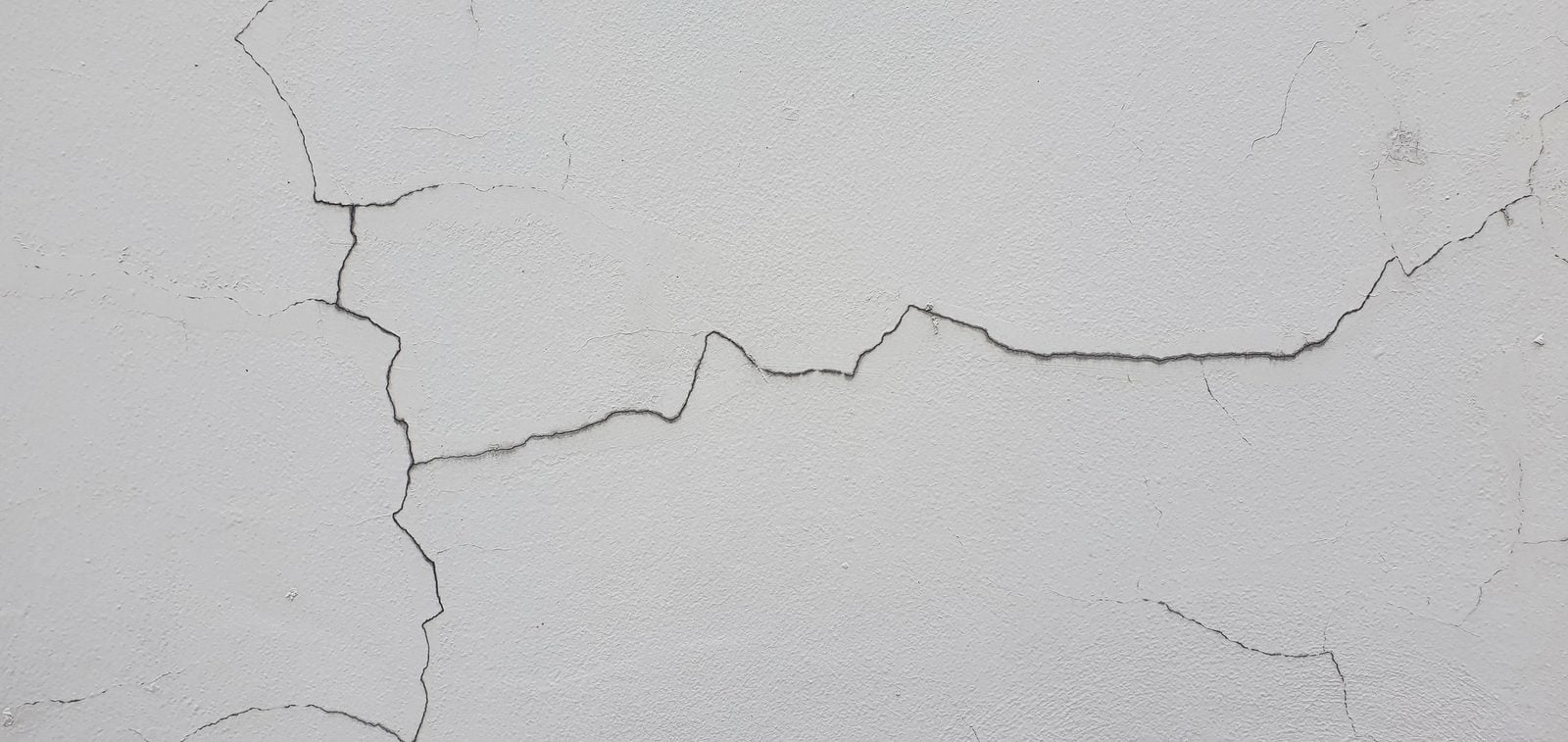
- The Texas Department of Insurance lists damage to foundations or slabs as an optional add-on, called an endorsement.
- TDI says a homeowners policy won't pay for flooding, earthquakes, termite damage, or wear and tear.
- Round Rock sits in the Blackland Prairie area, where Houston Black clays shrink and swell with changes in moisture.
- Policies won't cover a continuous water leak, so the cause of foundation movement matters a lot to a claim.
- A written inspection report that explains the cause is one of the most useful things to have before you call your agent.
Does homeowners insurance cover foundation repair in Round Rock?
Homeowners insurance in Round Rock covers foundation repair only in limited cases. Coverage usually depends on whether your policy includes a foundation or slab endorsement and whether the damage came from a sudden, covered event. Gradual settling from clay soil, poor drainage or age is commonly excluded.
The Texas Department of Insurance (TDI) lists damage to foundations or slabs as an optional add-on in its home insurance guide. That means many standard policies do not include it unless you chose it or your insurer built it in. TDI does not say foundation damage is always covered or always excluded. It tells consumers to read their own policy.
So the honest answer is: it depends on your policy wording and on the cause. The rest of this guide walks through the common myths, what insurers usually look at, and how to get the facts you need before you file.
Myth: my policy covers anything that goes wrong with the house
Fact: a homeowners policy is a list of covered causes and exclusions, not a promise to pay for every repair. Foundation movement is one of the areas where exclusions show up most often.
TDI says a homeowners policy won't pay for flooding, earthquakes, termite damage, or wear and tear. Many policies also exclude settling, shrinking, cracking or bulging of foundations. Those words describe exactly what slow soil movement does to a house over years.
That is why the first step is not calling a claims line. It is opening your declarations page and the full policy form, and searching for words like foundation, slab, settling, earth movement and water damage. If the wording is unclear, ask your agent to point to the exact section that applies.
Myth: clay soil damage is an act of nature, so it should be covered
Fact: soil movement from wet and dry cycles is usually treated as gradual, not sudden, so it is commonly excluded. Clay soil damage feels like something outside your control, but most policies treat it like long-term wear.
Expansive clay swells when it gets wet and shrinks when it dries out. Over months and years, that movement can lift or drop parts of a slab or shift the piers under a pier and beam home. You may see sticking doors, stair-step cracks in brick, or gaps around windows. Our guide to foundation problem warning signs covers what to look for.
Because the damage builds slowly, it rarely fits the sudden and accidental language most policies use. That does not mean you should skip a claim if you believe a covered event is involved. It means you should expect the insurer to ask what caused the movement and when it started.
Need help now? Call to be connected with a local provider in Round Rock who can check availability for your address.
Myth: a plumbing leak under the slab always means the foundation is covered
Fact: a sudden leak may be treated differently from a slow one, but coverage for the foundation itself still depends on your policy. TDI says policies won't cover a continuous water leak.
TDI's general guidance is that most homeowner policies cover sudden and accidental water damage, like a burst pipe, but usually won't cover damage from gradual leaks or seepage. A slab leak that has been dripping for months may fall on the gradual side, even if you only just found it.
Some policies may pay to access a broken pipe or repair water damage inside the home but treat the foundation repair as a separate question. Others may include a foundation or slab endorsement that changes the picture. Many policies treat sudden damage differently from gradual leaks, so check your policy and document everything you find.
Myth: if I file a claim, the insurer decides what is wrong
Fact: the insurer sends an adjuster to review the claim, but you are allowed to get your own inspection and written findings. Having your own report helps you understand the cause before you talk about coverage.
A foundation inspection looks at floor levels, cracks, doors and windows, drainage, and the soil and grading around the house. The goal is to explain what is moving, where, and the most likely reason. That reason matters, because coverage often turns on the cause rather than the crack itself. See our foundation inspection page for what that visit covers.
When signs are severe, such as large gaps, sloping floors or doors that will not latch, a qualified inspection or structural engineer is the right call. An engineer's letter can also help when the cause is disputed.
What should I do before I file a foundation claim?
Before you file, gather proof of the damage and its likely cause. A clear record helps you and the adjuster talk about the same facts.
- Read the policy. Look for a foundation or slab endorsement and any settling or earth movement exclusions.
- Photograph everything. Take dated photos of cracks, gaps, sloping floors and sticking doors. Put a ruler or coin next to cracks for scale.
- Write down a timeline. Note when you first saw each sign and any recent events, such as a burst pipe or storm.
- Get a written inspection. Ask for findings that describe the likely cause, not only the repair.
- Keep receipts. Save records of any plumbing repairs, drainage work or past foundation work.
Then call your agent or insurer with specific questions. Ask which section of the policy applies and what they need from you.
How long does a Texas insurer have to respond to a claim?
Under Texas law as summarized by TDI, an insurer must acknowledge a claim within 15 days, accept or deny it within 15 business days of getting all the information it needs, and pay within five business days after agreeing to pay. This is general guidance, not legal advice.
The phrase that matters is all the information it needs. If the insurer asks for an inspection report, photos or repair records, the clock for a decision may not start until those arrive. Sending a complete package early can keep the process moving.
If your claim is denied, ask for the reason in writing and the policy language behind it. You can also contact the Texas Department of Insurance for consumer help if you have questions about how your claim was handled.
What if insurance does not cover my foundation repair?
If your policy does not cover the repair, you still have choices. Many Round Rock homeowners pay for repairs directly and focus on fixing the cause so the problem does not return.
Repair options often include slab foundation repair with piers, re-shimming for pier and beam homes, and drainage correction and root barriers to keep soil moisture more even. The scope depends on what the inspection finds. Cost depends on the number of piers, the foundation type, access, drainage work and whether an engineer is involved.
Ask for a written quote that lists each part of the work. Compare at least two opinions when the scope is large. If you plan to sell, keep all reports and receipts, because buyers and their inspectors often ask for them.
Why is foundation coverage a common question in Round Rock?
Round Rock, Georgetown, Hutto, Pflugerville and Taylor sit in or near the Blackland Prairie, which extends from north of Dallas south to San Antonio. The USDA NRCS says the region's Houston Black clays shrink and swell markedly with changes in moisture content, and that their very high shrink-swell potential commonly limits building site development. In dry periods, the NRCS describes cracks 1/2 to 4 inches wide at 12-inch depths in this soil.
Most newer homes here sit on slabs. The National Association of Home Builders reports that 97.9% of new single-family homes in the West South Central census division, which includes Texas, were built on slab foundations in 2024. Older homes in Leander, Cedar Park and Brushy Creek may differ.
Big weather events add claim questions too. Insurers reported 14,439 claims in Williamson County from the February 2021 winter storm, as of March 31, 2022. The Austin area also sits in Flash Flood Alley, and TDI notes flood damage needs a separate flood policy. If you are unsure what caused movement at your home, call to be connected with a local provider who can schedule an inspection.
Related pages
Questions people ask
Does homeowners insurance cover foundation repair in Texas?
Sometimes, but usually only with a foundation or slab endorsement or when a covered sudden event caused the damage. TDI lists foundation and slab damage as an optional add-on, so check your own policy.
Does insurance cover foundation repair if my house is settling?
Usually not. Settling from soil movement is commonly treated as gradual wear and is excluded in many policies. Read the exclusions section of your policy to be sure.
What is a foundation or slab endorsement on a Texas home policy?
It is an optional add-on that extends coverage to damage to foundations or slabs. TDI's home insurance guide lists it as an endorsement, so ask your agent whether your policy has one.
Will my insurance pay for foundation damage caused by a slab leak?
It depends on the policy and on how long the leak ran. TDI says most policies cover sudden water damage but not gradual leaks, and policies won't cover a continuous water leak.
Is foundation damage from expansive clay soil covered by insurance in Round Rock?
Usually not. Clay soil movement is generally treated as gradual, which many policies exclude. Round Rock's Blackland Prairie clays shrink and swell with moisture, so this question comes up often.
Does flood insurance cover foundation damage?
Flood damage is handled by a separate flood policy, not a homeowners policy. TDI says homeowners policies won't pay for flooding, so check your flood policy wording for foundation coverage.
Should I get a foundation inspection before I call my insurance company?
Yes, in most cases. A written inspection that explains the likely cause gives you facts to discuss with your insurer and helps you ask better questions about coverage.
Do I need a structural engineer for a foundation insurance claim?
Not always, but an engineer's report can help when the cause is unclear or disputed. When signs are severe, a qualified inspection or engineer is a good idea anyway.
How do I prove foundation damage was sudden and not gradual?
Gather dated photos, a timeline of when you first noticed each sign, and a written inspection that names the likely cause. Records of a recent event, such as a burst pipe, also help.
How long does an insurance company in Texas have to respond to a foundation claim?
Per TDI's summary of Texas law, an insurer must acknowledge a claim within 15 days and accept or deny it within 15 business days of getting all the information it needs. This is general guidance, not legal advice.
What words should I look for in my policy about foundation coverage?
Search for foundation, slab, settling, earth movement, water damage and continuous leak. Those sections usually decide whether foundation repair is covered.
Does homeowners insurance cover cracks in my foundation?
Usually not on their own. Small cracks from normal settling are commonly excluded. Coverage, if any, depends on what caused the crack and whether you have a foundation endorsement.
Does insurance cover tree root damage to a foundation?
Usually not. Root-related soil drying is generally treated as gradual. Root barriers and drainage work are often paid for directly by the homeowner.
Will filing a foundation claim raise my home insurance rates?
It might, depending on your insurer and claim history. Ask your agent how a claim could affect your policy before you file.
Can I add foundation coverage to my policy after I see cracks?
You can ask, but existing damage is unlikely to be covered by a new endorsement. Coverage generally applies to future losses, so ask your agent how they handle known issues.
What if my insurance claim for foundation repair is denied?
Ask for the denial reason in writing and the exact policy language behind it. You can also contact the Texas Department of Insurance for consumer help with questions about how a claim was handled.
Does homeowners insurance cover pier and beam foundation repair in Round Rock?
The same rules apply as for slabs. Coverage depends on your policy wording and the cause. Settling and wear are commonly excluded, while some sudden covered events may be treated differently.
What does foundation repair cost depend on if insurance will not pay?
Cost depends on the foundation type, the number of piers, access, drainage work and whether an engineer is involved. A written quote should list each item.
Should I keep foundation repair records when I sell my Round Rock home?
Yes. Buyers and their inspectors often ask for past reports, repair records and any engineer letters. Keeping them organized can make a sale smoother.
How do I find someone to inspect my foundation in Round Rock?
Call (512) 325-3549 to be connected with a local provider who can check availability for your address and schedule an inspection.
Talk to someone about your foundation problem
Call to be connected with a local provider who can check availability for your address and explain the next step.