Contractor Foundation Repair Near Round Rock
Contractor foundation repair in Round Rock means having a local foundation contractor inspect your slab or pier-and-beam home, explain what is moving and why, and put a repair plan in writing. Call to be connected with a local provider who works in Round Rock and nearby towns like Brushy Creek, Hutto and Georgetown.
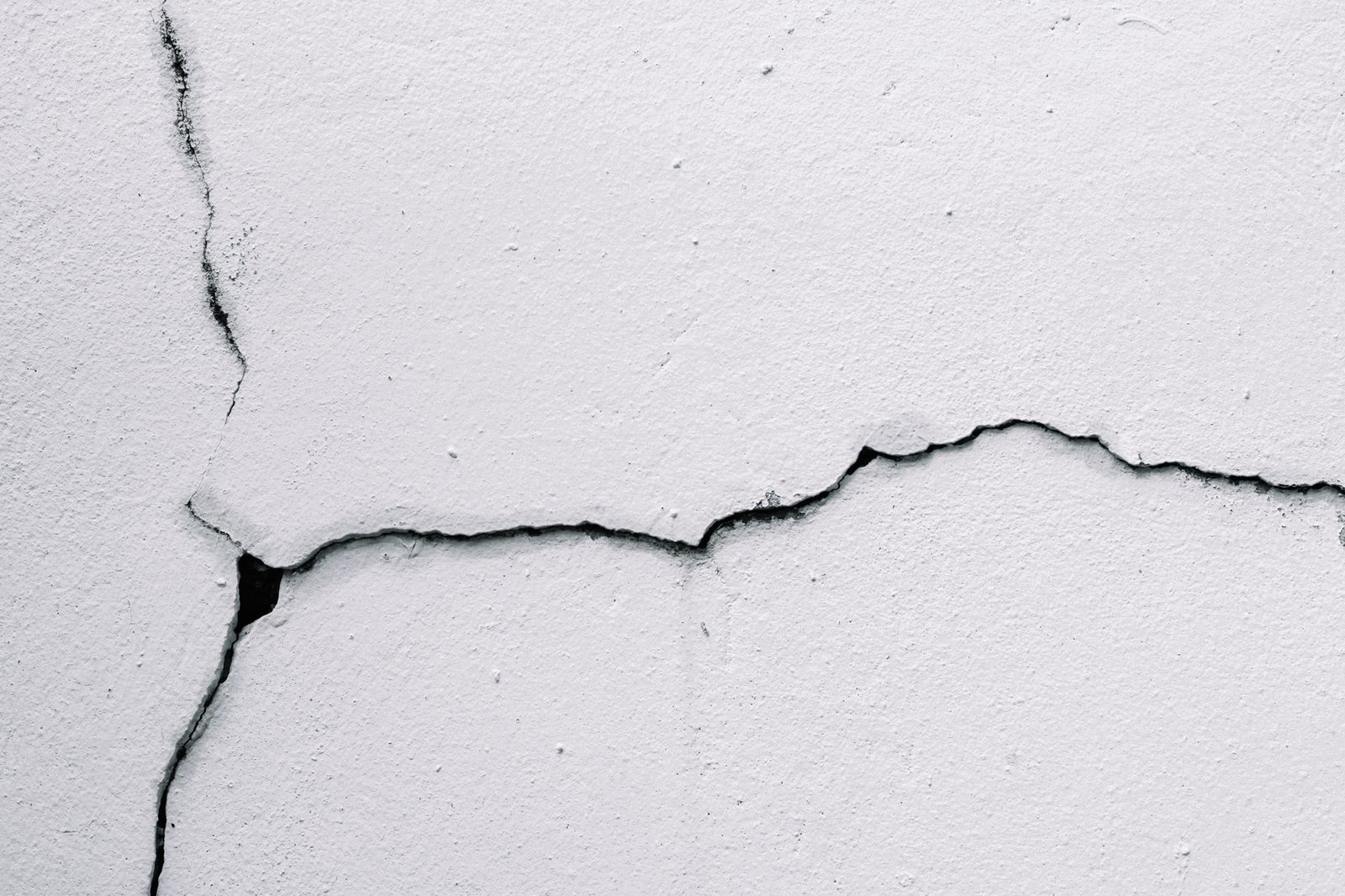
- Round Rock sits near the Blackland Prairie, where expansive clay soils shrink and swell with changes in moisture.
- Most newer homes in the region are built on slabs; many older homes and additions sit on pier-and-beam.
- A foundation contractor should inspect first, explain options, and give a written quote before any work starts.
- Neighborhoods across Round Rock, Brushy Creek, Hutto, Pflugerville and Georgetown share similar clay soil concerns, but each lot drains differently.
- Severe signs, like wide or fast-growing cracks, call for a qualified inspection or a structural engineer.
What does contractor foundation repair in Round Rock involve?
Contractor foundation repair in Round Rock usually starts with an inspection, then a plan to stabilize or level the part of the house that has moved. A foundation contractor measures floor elevations, looks at cracks and doors, and checks drainage before suggesting any repair.
The work itself depends on the home. Slab homes often need piers placed under the settling section. Pier-and-beam homes may need shims adjusted, piers reset or beams supported. Many plans also include drainage changes so the soil stays more even. You can read about each method on our foundation piers and underpinning page.
Why do homes in Round Rock neighborhoods need foundation work?
Homes in Round Rock neighborhoods need foundation work mostly because the clay soil under them swells when wet and shrinks when dry. When one side of a house dries out faster than another, that side can drop a little, and the house shows it through cracks and sticking doors.
Lot details matter too. A house on a slope, near large trees, or with short downspouts may move more than the house next door. That is why two homes on the same street in Brushy Creek or Wells Branch can need very different repairs.
What signs mean I should call a foundation contractor?
You should call a foundation contractor when you see cracks that keep growing, doors or windows that suddenly stick, or floors that feel sloped. One sign alone can be normal settling; several together are worth a closer look.
- Stair-step cracks in brick or stone.
- Gaps between walls and ceilings, or around window frames.
- Doors that will not latch or swing open on their own.
- Cracks in tile floors or a slab that has a lip.
- Bouncy or sagging floors in a pier-and-beam house.
Our guide to foundation warning signs walks through each one in more detail.
Need help now? Call to be connected with a local provider in Round Rock who can check availability for your address.
How is slab repair different from pier-and-beam repair near Round Rock?
Slab repair near Round Rock usually means lifting and supporting a concrete slab with piers, while pier-and-beam repair works on the posts, beams and shims under a raised floor. The tools, access and quote will look different for each.
A slab contractor works from outside the home, digging beside or under the slab. A pier-and-beam contractor often works in the crawl space. If you are not sure which foundation you have, look for vents or an access door near the base of the outside wall. Those usually mean pier-and-beam.
What should I ask a foundation contractor before I agree to repairs?
Before you agree to repairs, ask the foundation contractor what is causing the movement, what the repair will and will not fix, and what the written quote covers. Clear answers help you compare options.
- What did the elevation readings show, and where is the low point?
- Which repair method do you suggest, and why that one?
- Does the plan include drainage or root barrier work?
- Is a permit or an engineer report needed for this job?
- What paperwork will I get when the work is done?
Keep every report and quote. They help later if you sell the house or need more work.
Should I get an engineer or a contractor first?
For most homes, a foundation contractor inspection comes first, and an engineer is added when the signs are severe, the repair is large, or a buyer or lender asks for one. An engineer gives an independent opinion and can design a repair plan.
If cracks are wide, growing quickly, or doors suddenly jam across the house, ask for a structural engineer review before choosing a repair. Learn more on our foundation inspection page.
Can drainage changes reduce the need for foundation repair?
Drainage changes can reduce future soil swings, but they do not lift a foundation that has already moved. Good gutters, downspout extensions and soil that slopes away from the house help keep moisture more even around the slab.
Many contractors suggest drainage work alongside repair, or on its own when movement is minor. Our drainage and root barriers page explains these options.
What happens during the visit?
During the visit, a local provider inspects your foundation, explains the options that fit your home, and gives you a written quote before any work begins.
- Inspection: a walk around the outside, a look at cracks, doors and windows, floor elevation readings, and a check of gutters, grading and any crawl space.
- Options explained: what seems to be moving, which repair methods could help, and what each one does not address.
- Written quote: a quote that lists the planned work so you can compare, ask questions, or take time to decide.
If the signs look severe, the provider may suggest an engineer review first. See how it works for more on the process.
Why do foundations move in Round Rock, Brushy Creek and Hutto?
Round Rock sits near the Blackland Prairie, which extends from north of Dallas south to San Antonio. The USDA NRCS says the Houston Black clays found there are highly expansive and shrink and swell markedly with changes in moisture content. In dry periods, the NRCS describes cracks 1/2 to 4 inches wide at 12-inch depths in this soil. That shrink and swell is the main reason homes across the area need a foundation contractor at some point.
Weather swings make it worse. The NWS says Austin, just south of Round Rock, had 90 days of 100°F or higher in 2011, and that the area sits in a region known as Flash Flood Alley. Long heat dries the soil, then hard rain soaks it.
Most new homes here sit on slabs. The National Association of Home Builders reports that 97.9% of new single-family homes in the West South Central region were built on slabs in 2024. That pattern shows up in newer neighborhoods in Round Rock, Brushy Creek, Hutto, Pflugerville and Georgetown, where slab repair and drainage are the most common requests.
Related pages
Questions people ask
What is contractor foundation repair and do I need it in Round Rock?
Contractor foundation repair is foundation work done by a contractor who specializes in slabs and pier-and-beam homes. In Round Rock, you may need it if cracks keep growing, doors stick, or floors slope.
How do I find a foundation repair contractor near me in Round Rock?
Call the number on this page to be connected with a local provider who serves Round Rock and nearby towns. They can check availability for your address and set up an inspection.
Does a foundation contractor serve Brushy Creek and Wells Branch too?
Yes, local providers in this network serve Brushy Creek, Wells Branch and other towns around Round Rock. Call to check availability for your exact address.
What does a foundation contractor look at during an inspection?
A foundation contractor looks at cracks, doors, windows, floor levels and drainage. They often take elevation readings across the floor to find the high and low points.
Is foundation repair different in Hutto than in Round Rock?
The process is mostly the same, since both towns deal with expansive clay soil. Differences come from each lot's slope, trees, drainage and the type of foundation.
How can I tell if my Round Rock house is on a slab or pier and beam?
Look at the base of your outside walls. Vents or a small access door usually mean pier-and-beam; a solid concrete edge usually means a slab.
Should I call a foundation contractor or a structural engineer first?
For most homes, a contractor inspection comes first. If cracks are wide, growing fast, or a buyer asks for one, add a structural engineer for an independent opinion.
Can a foundation contractor fix cracks in my brick wall?
A foundation contractor can address the movement behind brick cracks. Patching the brick itself is often a separate step after the foundation is stable.
What should a written foundation repair quote include?
A written quote should list the repair method, where the work will happen, and any drainage or extra work. It should also say what paperwork you will receive when the job is done.
Is it normal for newer homes in Round Rock to need foundation work?
It can happen. Newer homes sit on the same clay soil, and drainage or watering patterns around a new lot can cause uneven movement in the first years.
Will a foundation contractor also handle drainage problems?
Many foundation contractors also handle drainage, such as gutters, downspout extensions, French drains and root barriers. Ask whether drainage is part of the plan or a separate quote.
Does homeowners insurance pay for a foundation contractor in Texas?
It depends on your policy. The Texas Department of Insurance lists damage to foundations or slabs as an optional endorsement, so check your policy and document everything.
Can I live in my house while a contractor repairs the foundation?
Many people stay home during slab or pier work, since most of it happens outside or under the house. Ask the provider what parts of the home may be blocked off.
Does a foundation repair job in Round Rock need a permit?
Some jobs do. Ask the contractor whether a permit or engineer report is needed for your repair, and check with the City of Round Rock if you are unsure.
What questions should I ask a foundation contractor in Georgetown or Round Rock?
Ask what is causing the movement, which repair method they suggest and why, and what the quote covers. Also ask if drainage work is included and what records you will get.
Why do some houses on my street have foundation problems and others do not?
Each lot drains differently. Slope, large trees, gutter placement and how the soil was prepared can make one house move more than its neighbor.
Can a foundation contractor help when I am selling my home in Round Rock?
Yes. A contractor inspection can explain an inspector's findings, and a written report helps buyers and sellers understand what was found and what was done.
Is it worth getting a second opinion on foundation repair?
A second opinion can help on larger jobs. Compare what each contractor found, the method they suggest, and what each written quote covers.
How do I prepare my home for a foundation contractor visit?
Clear a path around the outside walls and to any crawl space door. Note which doors stick and where cracks appeared, and have any past reports ready.
Talk to someone about your foundation problem
Call to be connected with a local provider who can check availability for your address and explain the next step.