Foundation and Basement Waterproofing in Round Rock
Foundation and basement waterproofing in Round Rock usually means keeping water away from a slab or out of a crawl space, since true basements are uncommon here. The goal is steady soil moisture around the house: good grading, working gutters, clear drainage paths and a dry crawl space for pier-and-beam homes.
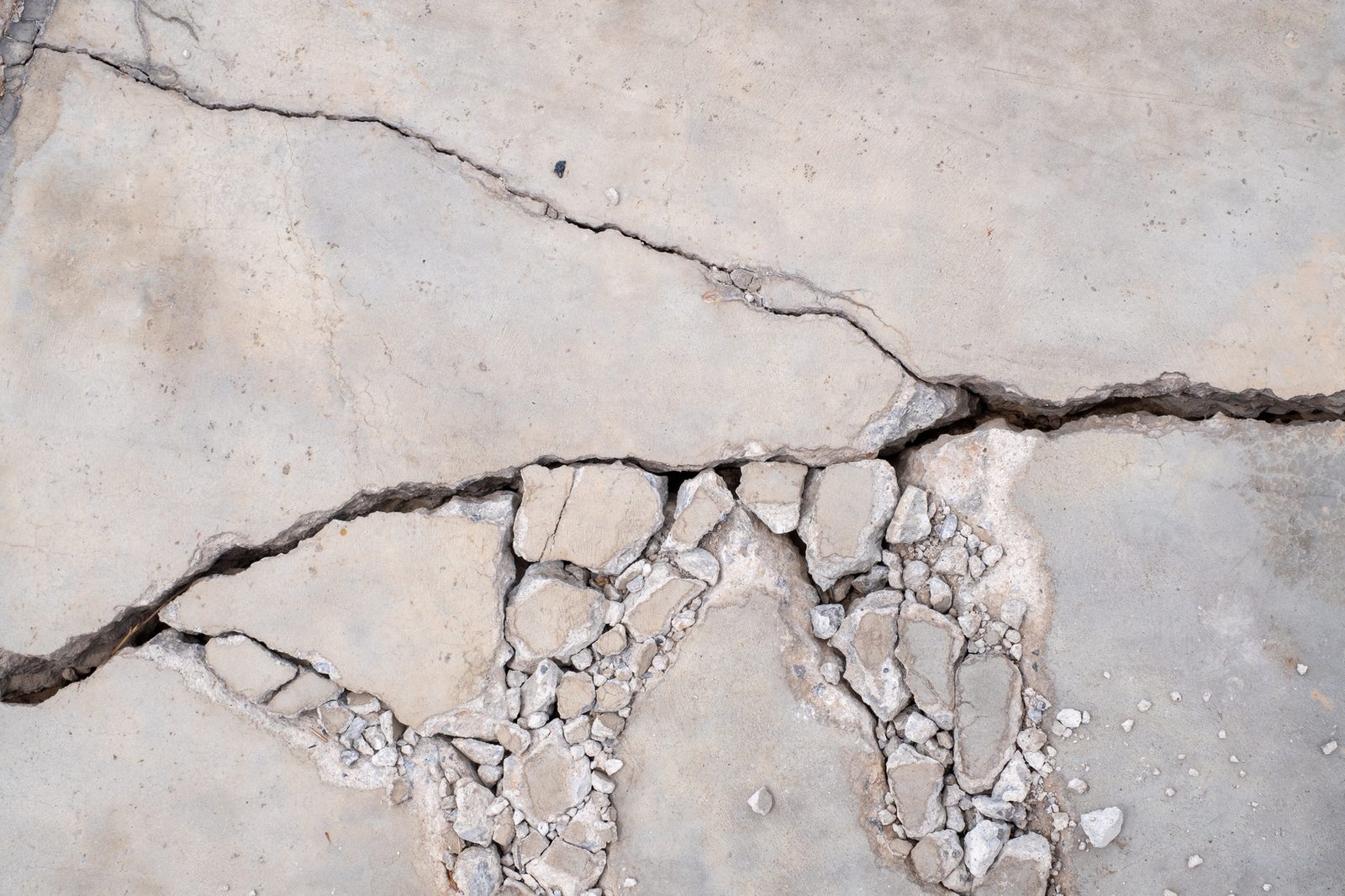
- Most homes around Round Rock sit on slabs or pier-and-beam foundations, so waterproofing focuses on drainage, not basement walls.
- Round Rock is near the Blackland Prairie, where Houston Black clays shrink and swell with changes in moisture.
- Slab homes need water moved away from the edges; pier-and-beam homes also need a dry, vented crawl space.
- A written quote should name each drainage or moisture fix before any work starts.
- Severe signs, like wide cracks or doors that suddenly jam, call for a qualified inspection or engineer.
What does foundation and basement waterproofing mean for Round Rock homes?
In Round Rock, foundation and basement waterproofing mostly means controlling water around a slab or pier-and-beam foundation. Few local homes have basements, so the work is about grading, gutters, drains and crawl space moisture rather than sealing below-ground walls.
Clay soil swells when it gets wet and shrinks when it dries. Water that pools on one side of a house can make that side move more than the rest. Good waterproofing aims for even, steady moisture so the soil under the house behaves more evenly.
How is waterproofing different for a slab home?
For a slab home in Round Rock, waterproofing means moving rain and runoff away from the slab edges. The slab sits right on the soil, so the ground around its perimeter matters most.
Common steps include:
- Regrading soil so it slopes away from the house.
- Adding gutter downspout extensions or buried drain lines.
- Installing a French drain or surface drain where water collects.
- Sealing gaps where flatwork meets the slab.
Our slab foundation repair page explains what can happen when movement has already started.
How is waterproofing different for a pier-and-beam home?
A pier-and-beam home needs the same outside drainage as a slab, plus a dry crawl space. Standing water or damp air under the floor can soften soil around piers and weaken wood joists and beams.
Crawl space moisture control can include a vapor barrier on the ground, working vents, a sump pit where water gathers, and fixing plumbing leaks. Fix the water source before any shimming or leveling, or the problem can return. See crawl space repair for more detail.
Need help now? Call to be connected with a local provider in Round Rock who can check availability for your address.
What are the signs a Round Rock foundation has a water problem?
Signs of a water problem around a Round Rock foundation include puddles that stay near the house after rain, soil washing away at the slab edge, and a musty smell or standing water in a crawl space.
Movement signs can follow, such as sticking doors, stair-step cracks in brick, gaps around windows and floors that slope. Dry periods cause their own trouble, like soil pulling away from the slab. If the cracks matter to you, read which foundation cracks matter.
Do any homes near Round Rock have basements that need waterproofing?
Some homes in the Round Rock area do have basements or partial below-grade rooms, often on sloped lots, but they are the exception. If your home has one, basement waterproofing can include sealing walls, interior drain systems and a sump pump.
Even then, outside drainage still comes first. A basement wall on clay soil faces pressure when the ground is soaked, so grading and gutters help both the basement and the rest of the foundation.
Does waterproofing replace foundation repair?
No. Waterproofing and drainage help manage soil moisture, but they do not lift or level a foundation that has already moved. If a slab or pier has settled, repair work such as piers or leveling may be a separate step.
Many plans pair the two: drainage to reduce future swings, and repair to address existing movement. Ask the provider which problems each part of a quote is meant to solve. Our drainage and root barriers page covers the drainage side.
What happens during the visit?
During the visit, a local provider looks at how water moves around and under your home, explains your options, and gives you a written quote before any work begins.
- Inspection: a walk around the slab or crawl space, gutters, downspouts, grading and low spots, plus a check for cracks and floor level changes.
- Options explained: which drainage, grading or moisture fixes fit your home type, and what each one does not address.
- Written quote: a quote listing the planned work so you can compare or take time to decide.
If signs look severe, the provider may suggest an engineer review first. Learn more on our foundation inspection page.
Why does water control matter so much around Round Rock?
Round Rock sits near the Blackland Prairie, which extends from north of Dallas south to San Antonio. The USDA NRCS says its Houston Black clays shrink and swell markedly with changes in moisture content. In dry periods, the NRCS describes cracks 1/2 to 4 inches wide at 12-inch depths in this soil. That is why steady moisture around a foundation matters.
Rain can arrive hard. The NWS says nearby Austin sits in a region known as Flash Flood Alley and has a history of devastating flash floods, so soil can swing from very dry to soaked quickly.
Slabs dominate new building here. The National Association of Home Builders reports that 97.9% of new single-family homes in the West South Central region were built on slabs in 2024. Homes in Round Rock, Hutto, Pflugerville, Brushy Creek and Georgetown mostly need slab and crawl space drainage, not basement work. The Texas Department of Insurance lists foundation or slab damage as an optional add-on, so check your policy for a foundation endorsement.
Related pages
Questions people ask
What is foundation and basement waterproofing in Round Rock?
Foundation and basement waterproofing in Round Rock mostly means drainage and moisture control for slab and pier-and-beam homes. Basements are uncommon here, so the work centers on grading, gutters, drains and crawl spaces.
Do houses in Round Rock have basements?
Most houses in Round Rock do not have basements. Slabs and pier-and-beam foundations are far more common, though some homes on sloped lots have partial below-grade rooms.
Can you waterproof a slab foundation?
Yes, but slab waterproofing in Round Rock is mostly about the outside. It means grading soil away from the house, extending downspouts and adding drains so water does not soak one side of the slab.
What is the most common foundation drainage fix for a Round Rock house?
Fixing grading and downspouts is one of the most common foundation drainage steps for Round Rock houses. Water that drains away from the slab edge helps keep clay soil from swelling unevenly.
Is a French drain a good idea for a house on clay soil?
A French drain can help a house on clay soil when water collects in one spot near the foundation. Clay drains slowly, so the drain's layout and outlet matter. A local provider can say if it fits your lot.
Why is there water in my crawl space after it rains?
Water in a crawl space after rain usually means grading, gutters or drainage are sending water toward the house. In Round Rock, a vapor barrier, a sump pit or outside drainage changes may be part of the fix.
Does a crawl space need a vapor barrier in Texas?
Many Texas crawl spaces benefit from a vapor barrier, which limits ground moisture rising into the space. It works well alongside good vents and outside drainage.
Will gutters really help protect my foundation?
Gutters can help protect a Round Rock foundation by moving roof water away from the slab edge. They only work if downspouts discharge far enough from the house and gutters stay clear.
Can too little water hurt my foundation too?
Yes. In Round Rock, very dry clay can shrink and pull away from a slab, which can lead to movement. The aim is even moisture, not as much water as possible.
Should I fix drainage before foundation repair?
It is often smart to plan drainage alongside foundation repair in Round Rock. Repair addresses existing movement, while drainage helps reduce the soil swings that caused it. Ask how the two fit together in your quote.
Does foundation waterproofing stop foundation movement for good?
No one can promise that waterproofing stops all foundation movement. It helps manage soil moisture, but clay soil around Round Rock can still shift with weather.
How do I tell if water is pooling near my foundation?
Walk around your Round Rock home during or right after a hard rain. Puddles that stay against the house, washed-out soil or mud lines on the slab all point to drainage problems.
Is basement waterproofing different from slab drainage?
Yes. Basement waterproofing can involve sealing walls and interior drains, while slab drainage focuses on moving water away from the house. Near Round Rock, slab and crawl space drainage is the more common need.
Does homeowners insurance pay for foundation waterproofing in Texas?
Coverage depends on your policy. The Texas Department of Insurance lists foundation or slab damage as an optional add-on, so read your policy and ask your agent before you plan work.
What should a foundation drainage quote in Round Rock include?
A Round Rock foundation drainage quote should list each fix, such as grading, drain lines, downspout extensions or crawl space work, and where it goes. Get it in writing before work starts.
When should I get an engineer instead of just drainage work?
Get an engineer review when signs are severe, such as wide or growing cracks, steep floor slopes or doors that suddenly will not close. Drainage alone does not correct major movement.
How do I find someone for foundation waterproofing in Round Rock?
Call the number on this page to be connected with a local provider who handles foundation drainage and waterproofing in Round Rock and nearby towns. They can explain the next step for your home.
Talk to someone about your foundation problem
Call to be connected with a local provider who can check availability for your address and explain the next step.