Pier and Beam Repair in Round Rock: Options
Pier and beam repair in Round Rock usually comes down to four choices: re-shimming and leveling, adding or replacing piers, sistering or replacing joists, or replacing a sagging beam. The right mix depends on what is actually failing under the floor, so a crawl space inspection should come before any decision.
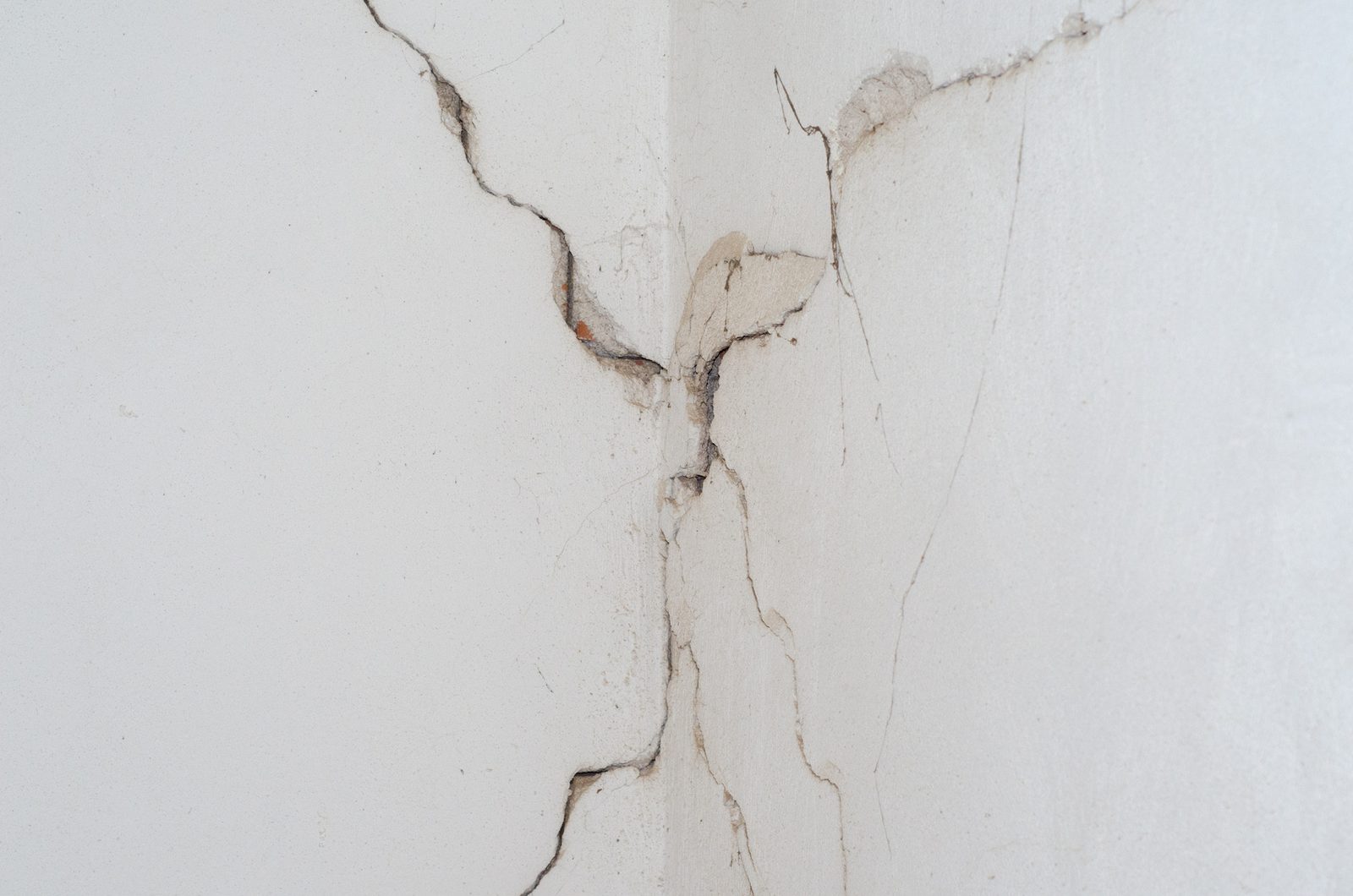
- Most pier and beam problems fall into four repair groups: shims and leveling, piers, joists and beams.
- Shimming alone rarely lasts if the pier below it is sinking or the soil keeps moving.
- Round Rock sits in the Blackland Prairie region, where Houston Black clays shrink and swell with moisture.
- Ask for a written quote that names each pier, beam or joist to be repaired before work starts.
- Severe signs, like large gaps, sloping floors or doors that will not latch, call for a qualified inspection or engineer.
What are the main options for pier and beam repair in Round Rock?
Pier and beam repair in Round Rock usually means one of four fixes, or a mix of them: re-shimming and leveling, adding or replacing piers, sistering or replacing floor joists, or replacing a damaged beam. Each one solves a different problem, so the choice depends on what an inspection finds in the crawl space.
Think of the structure in layers. The soil holds the piers. The piers hold the beams. The beams hold the joists, and the joists hold your floor. A soft spot can start at any layer, and fixing the wrong one is a common reason a repair does not hold. See our pier and beam foundation repair page for the basics.
When is re-shimming and leveling enough?
Re-shimming is often enough when the piers are solid and the beams are sound, but the gaps between them have opened up. Shims are thin supports placed between a pier cap and the beam to bring the floor back to level. It is usually the lightest repair on the list.
Shimming works well when:
- The floor has a mild dip, not a sharp drop.
- Old shims have dried out, cracked or slipped.
- The piers are plumb and not sinking.
It is a weak choice when a pier is tilting or settling, because new shims just get pushed down with it. Many houses on clay soil need a small re-shim every so often as the ground shifts. If you are weighing a full leveling job instead, see house and foundation leveling.
When do piers need to be added or replaced?
Piers need attention when they are sinking, leaning, cracked or simply too far apart to carry the load. Adding piers shortens the span a beam has to cover, and replacing a failed pier gives the beam a stable base again. This is usually a bigger job than shimming.
Signs that point to the piers include a floor that keeps sagging after it was shimmed, piers that are visibly out of plumb, and crumbling block or wood posts. Our guide to pressed concrete vs. steel piers compares two common types used under homes in the area.
Need help now? Call to be connected with a local provider in Round Rock who can check availability for your address.
When should joists be sistered or replaced?
Joists should be sistered or replaced when the floor feels bouncy or soft in one area, while the piers and beams below look fine. Sistering means fastening a new board alongside a weak or cracked joist so the two share the load. Full replacement is used when a joist is badly rotted or broken.
Joist trouble often shows up near bathrooms, kitchens, laundry rooms and exterior doors, where water has reached the wood over time. Fix the moisture source first, or new wood can face the same conditions. Moisture, vents and vapor barriers are covered on our crawl space repair page.
When does a beam need to be replaced?
A beam usually needs to be replaced when it is cracked, split, rotted through or bowed so much that shims cannot bring it level. Beams carry the weight of many joists, so a failing beam can affect a large section of the house at once.
Common warning signs include a long, even sag across a room, a visible crack along the beam, and soft wood that a screwdriver sinks into. Sometimes a provider can add a support beam alongside the old one instead of removing it.
How do I compare pier and beam repair quotes in Round Rock?
Compare pier and beam repair quotes in Round Rock by checking what each one actually fixes, not just the total. A good quote names the layers it addresses (piers, beams, joists or shims) and where in the house the work will happen. Two quotes can look similar and solve very different problems.
Questions worth asking:
- What did you find failing, and at which layer?
- How many piers will be added or replaced, and what type?
- Which joists or beams will be sistered or replaced?
- Will you address moisture or drainage, or is that separate?
- Is a structural engineer report recommended for this house?
If water is pooling near the house, ask whether drainage correction should be part of the plan.
What happens during the visit?
During the visit, a local provider inspects the crawl space and the floors, explains what they found, and walks you through your repair options before any work begins. You should get a written quote first, so you can compare it or take time to decide.
- Inspection: a look at the piers, beams, joists, shims, moisture and vents, plus floor level readings inside the home.
- Options explained: which fix matches each problem, from re-shimming to new piers or beam work, and what each choice leaves unaddressed.
- Written quote: a quote that lists the planned work before anything starts.
If the signs look severe, the provider may suggest a structural engineer review first. You can learn more on our foundation inspection page.
Is fall a good time to plan pier and beam repair?
Fall can be a practical time to plan pier and beam repair in Round Rock, because the ground has often come through a long hot summer and floor changes are easier to spot.
Soil under a house can shift again as fall and winter rain return, so a floor that dropped in summer may move a little after repairs. That is normal on clay. Ask the provider whether they suggest a follow-up check after a wet season. Waiting is not always harmful for minor signs, but our article on whether to fix the foundation now or wait covers when delay can make things worse.
What makes pier and beam repair different around Round Rock?
Round Rock and nearby towns sit near the Blackland Prairie, which extends from north of Dallas south to San Antonio. The USDA NRCS says the region's Houston Black clays shrink and swell markedly with changes in moisture content, and that their very high shrink-swell potential commonly limits building site development. In dry periods, the NRCS describes cracks 1/2 to 4 inches wide at 12-inch depths in this soil. That soil movement can push or drop piers over time.
Heat plays a part too. Nearby Austin has a record high of 112°F, and in 2011 Austin had 90 days of 100°F or higher. Long dry stretches dry out clay, and the I-35 corridor sits in the Hill Country area the LCRA calls Flash Flood Alley, with one of the greatest risks for flash floods in the United States, so soil can swing from very dry to very wet.
Pier and beam is less common in new construction. The National Association of Home Builders reports that 97.9% of new single-family homes in the West South Central region were built on slabs in 2024. That means a crawl space home in Round Rock, Hutto, Taylor, Brushy Creek or Georgetown may need a provider who works on pier and beam systems, not only slabs. Coverage also varies: the Texas Department of Insurance lists foundation or slab damage as an optional add-on, so check your policy for a foundation endorsement.
Related pages
Questions people ask
What is the most common type of pier and beam repair in Round Rock?
Re-shimming and leveling is one of the most common pier and beam repairs in Round Rock. It works when the piers and beams are sound but gaps have opened as the clay soil moves. If a pier is sinking, shims alone usually will not hold.
How do I know if my house needs new piers or just new shims?
If the floor keeps sinking after it was shimmed, or the piers lean or crack, new piers are more likely needed. Fresh shims fit when the piers are plumb and stable. A crawl space inspection is the only reliable way to tell.
What does sistering a floor joist mean?
Sistering means fastening a new board alongside a weak or cracked joist so both share the load. It is often used when a joist is damaged but not completely rotted. It avoids tearing out flooring to replace the whole joist.
Why does my floor feel bouncy in one room but not the others?
A bouncy spot in one room often points to weak or water-damaged joists, or to a missing or failing pier under that area. Bathrooms, kitchens and laundry rooms are common spots. An inspection can show which layer is the cause.
Can a sagging beam be fixed without replacing it?
Sometimes. A provider may add piers to shorten the span or install a support beam alongside the old one. If the beam is cracked through or rotted, replacement is usually the safer choice to discuss.
Do pier and beam houses in Texas move more than slab houses?
Pier and beam houses can show movement differently, often as sloping floors, bouncy spots and sticking doors. Both types can move on expansive clay. How much depends on the soil, drainage and the condition of the supports.
How often does a pier and beam house need to be re-shimmed?
There is no set schedule. Many houses on clay soil need minor adjustments now and then as the ground shifts with wet and dry seasons. Ask a local provider whether a follow-up check makes sense after a wet season.
Should I get a structural engineer for pier and beam repair?
An engineer review is a good idea when signs are severe, such as large gaps, steep floor slopes, cracked beams or doors that will not close. Engineers give an independent opinion on what is needed. A local provider can tell you when they think one is warranted for your home.
What should a pier and beam repair quote include?
A pier and beam repair quote should list what was found and what will be repaired, such as the number and type of piers, which joists or beams will be worked on, and any shimming. It should be in writing before work starts. Ask whether moisture or drainage is included.
Can moisture in the crawl space cause pier and beam problems?
Yes. Standing water and high humidity under a house can weaken wood joists and beams and soften the soil around piers. Fixing the moisture source is often part of a lasting pier and beam repair.
Does homeowners insurance cover pier and beam repair in Texas?
It depends on your policy. The Texas Department of Insurance lists foundation or slab damage as an optional add-on, so check your policy for a foundation endorsement and document everything before you file.
Is it safe to live in a house that needs pier and beam repair?
Many people stay in their homes while they plan pier and beam repair, but no one can promise safety without seeing the house. If floors drop sharply, beams crack or doors suddenly jam, get a qualified inspection or engineer review soon.
How long should I wait to fix a small sag in my floor?
A small, stable sag may not need urgent work, but it is worth having checked so you know the cause. If it grows, or new cracks or sticking doors appear, plan repairs sooner. Call to be connected with a local provider who can take a look.
Does pier and beam repair in Round Rock require permits?
Permit rules depend on the city and the scope of work. Ask the provider whether a permit is needed for your job, and check with the City of Round Rock or your local city office if you are unsure.
How do I find someone for pier and beam repair in Round Rock?
Call the number on this page to be connected with a local provider who handles pier and beam repair in Round Rock and nearby towns. They can check availability for your address and explain the next step.
Talk to someone about your foundation problem
Call to be connected with a local provider who can check availability for your address and explain the next step.