How to Repair Cracks in Drywall in Round Rock
Here is how to repair cracks in drywall the right way: first figure out why the wall cracked, then patch it. In Round Rock, small hairline cracks are often just drywall seams, but diagonal cracks that keep coming back can point to foundation movement. Patch the simple ones and get the foundation inspected when the warning signs stack up.
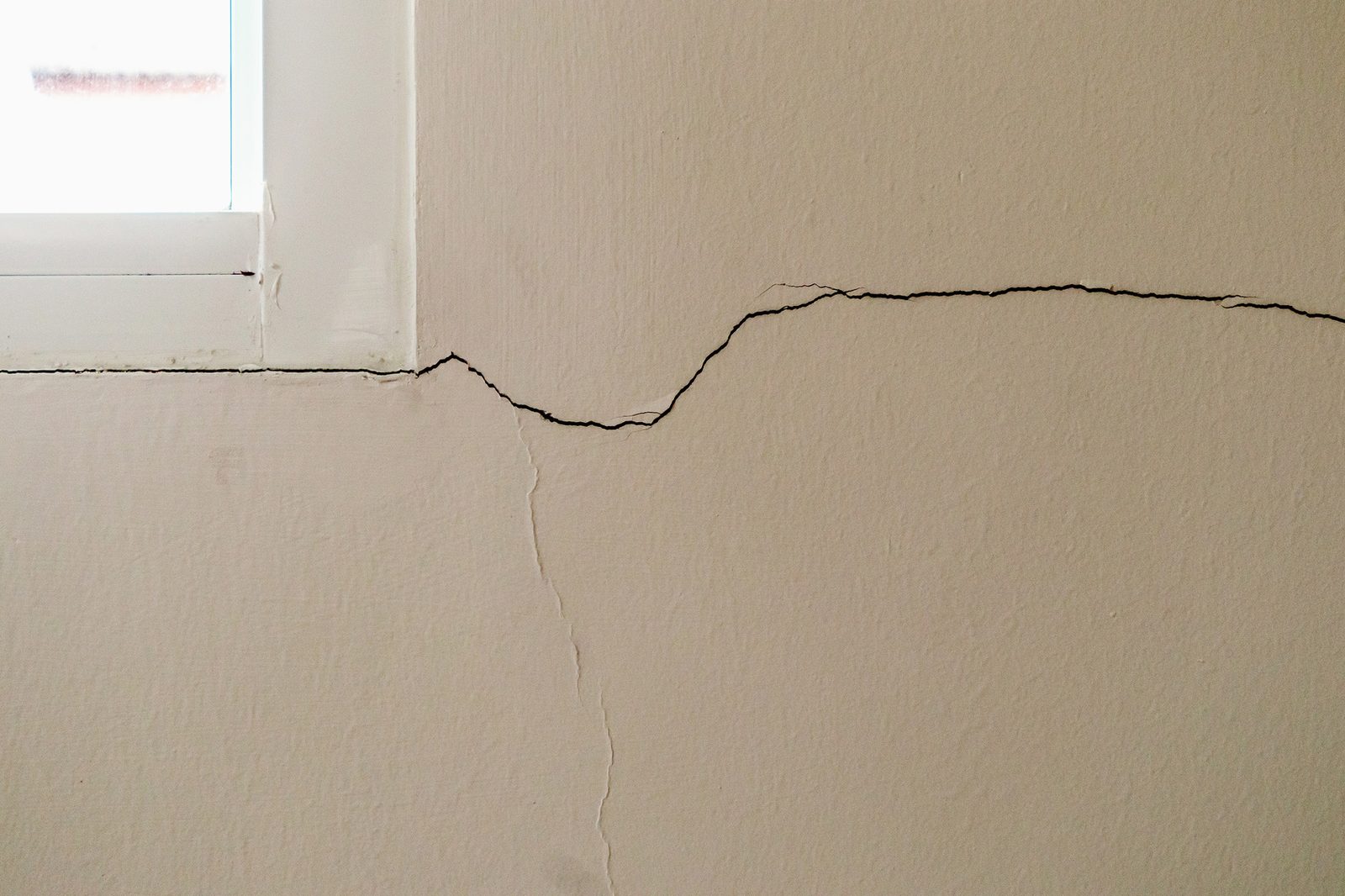
- Most thin, straight cracks along drywall seams come from normal shrinkage and settling and can be patched with tape and joint compound.
- Diagonal cracks that start at the corners of doors and windows are a common sign of foundation movement.
- A crack that reopens after you patch it, or grows wider over a few months, is telling you something is still moving.
- The USDA NRCS says Houston Black clays in the Blackland Prairie shrink and swell markedly with changes in moisture content.
- Marking the ends of a crack with a pencil and a date is a simple way to see if it is growing before you decide what to do.
How do you repair cracks in drywall in Round Rock?
To repair cracks in drywall in a Round Rock home, clean out the crack, cover it with paper or mesh tape, spread two or three thin coats of joint compound, sand it smooth, then prime and paint. That works well for hairline cracks. It will not hold if the wall is still moving because of the foundation.
So before you buy supplies, read the crack. Where it is, which way it runs, how wide it is and whether it has come back all tell you whether a patch is enough or the foundation needs a look.
Which drywall cracks are normal and which point to the foundation?
Thin, straight cracks along a seam or around a single nail are usually normal and cosmetic. Diagonal cracks from door and window corners, cracks wider at one end, and cracks that keep returning are more likely tied to foundation movement.
Usually cosmetic:
- Hairline cracks that follow a straight seam.
- Small nail pops over a fastener.
- Fine cracks in a new home as framing lumber dries.
Worth a closer look:
- Diagonal cracks running up from the top corners of doors and windows.
- Cracks wider at one end, or one side of the wall sticking out past the other.
- A gap opening where the wall meets the ceiling.
- Cracks that come back after a careful patch.
For concrete and brick cracks outside, see our guide to which foundation cracks matter.
What other signs inside the house go along with foundation cracks?
Drywall cracks matter most when they show up with other signs, such as doors that stick or will not latch, windows that are hard to open, and floors that slope. One crack alone is rarely the whole story. A cluster of signs in one area is.
- Doors: Does a door rub at the top corner, swing by itself, or leave an uneven gap?
- Floors: Can you feel a slope, or see cracks in tile?
- Trim: Is baseboard pulling away from the wall?
- Outside: Look for stair-step cracks in brick and cracks in the slab edge.
If several of these line up on the same side of the house as your drywall cracks, that pattern is worth a professional look. The full list is in our post on foundation problem warning signs.
Need help now? Call to be connected with a local provider in Round Rock who can check availability for your address.
How can I tell if a drywall crack is getting bigger?
The simplest way to tell if a drywall crack is growing is to mark both ends with a pencil, write the date next to each mark, and take a photo with a ruler beside it. Check it again every few weeks. If the crack runs past your marks or gets wider, it is still moving.
Photograph it from the same spot each time and jot down the weather. In Central Texas, cracks often open during long dry, hot stretches and close a bit after heavy rain. A crack that opens and closes with the seasons is still a sign of soil movement, and your record helps a provider understand what is happening.
How do I patch a hairline drywall crack myself?
You can patch a hairline drywall crack with a utility knife, drywall tape, joint compound, a taping knife, a sanding sponge, primer and paint. The key is tape over the crack, because compound alone usually cracks again.
- Open the crack. Cut a shallow V along it and remove loose paper and dust.
- Fill and tape. Press in a thin layer of compound, then bed paper tape or apply mesh tape centered over the crack.
- Cover in thin coats. Add one thin coat, let it dry fully, then one or two wider coats, feathering the edges.
- Sand and finish. Sand lightly, wipe off dust, prime and paint to match.
For a nail pop, drive a drywall screw just above or below the popped nail, set the nail below the surface, then fill both spots.
What should I be careful about when repairing drywall?
The main risks in drywall repair are dust, old paint, hidden wires and pipes, and ladder falls. Most small patches are safe for a careful homeowner, but stop and call if any of these apply.
- Dust: Wear a dust mask and eye protection when sanding.
- Old paint: Homes built before 1978 may have lead-based paint. Test before sanding or scraping.
- Wires and pipes: Never cut deep into a wall. Wiring and plumbing often run behind drywall.
- Ceilings: Use a stable ladder and a helper. A sagging or water-stained ceiling needs a professional.
- Moisture: If drywall is soft, stained or musty, find the water source first.
If a crack is wide enough to slide a coin into, or the wall surfaces no longer line up, skip the patch and have the foundation checked first.
When should I stop patching and get the foundation inspected?
Stop patching and get the foundation inspected when a crack returns after a proper taped repair, grows past your pencil marks, or shows up with sticking doors, sloping floors or brick cracks outside. Those are signs the structure is still moving, and a patch only hides it for a while.
Diagonal cracks at several door or window corners, or a home sale where cracks will show up on a report, are also good reasons to book a foundation inspection. When signs are severe, such as wide gaps, doors that will not close or an obvious floor slope, ask for a qualified inspection or a structural engineer. Patch the drywall after the cause is handled so the repair lasts.
What happens during the visit?
When you call to be connected with a local provider, the visit starts with an inspection. The provider looks at your drywall cracks, checks doors and windows, and often takes floor level readings to see if part of the slab or pier and beam frame has moved. They also check brick, the slab edge, gutters and drainage outside. Your pencil marks and photos help here.
Next, they explain the options in plain terms. That might be patching and monitoring, improving drainage or adding root barriers, or foundation leveling with piers. If signs are severe, they may suggest an engineer's review.
Before any work starts, you should get a written quote that lists each part of the job. Cost depends on the foundation type, how much movement there is, how many piers are needed, access, drainage work and whether an engineer is involved.
Why do drywall cracks show up so often in Round Rock homes?
Parts of the Round Rock area, along with Hutto, Taylor and Georgetown, sit in or near the Blackland Prairie, which extends from north of Dallas south to San Antonio. The USDA NRCS says the region's Houston Black clays shrink and swell markedly with changes in moisture content, and their very high shrink-swell potential commonly is a limitation affecting building site development. In dry periods, the NRCS describes cracks 1/2 to 4 inches wide at 12-inch depths in this soil.
When soil under a house shrinks in a dry spell and swells after rain, the foundation can shift slightly, and drywall is often where it shows first. Heat adds to the drying: Austin's record high is 112°F, and in 2011 Austin had 90 days of 100°F or higher.
The National Association of Home Builders reports that 97.9% of new single-family homes in the West South Central census division, which includes Texas, were built on slab foundations in 2024. Older homes in Cedar Park, Leander and Pflugerville may differ. If cracks keep coming back, call to be connected with a local provider who can schedule an inspection.
Related pages
Questions people ask
How do I repair cracks in drywall so they don't come back?
Use tape over the crack, not just joint compound, and only patch after the cause is fixed. Compound alone tends to crack in the same spot, and no patch will hold if the wall is still moving from foundation shifts.
Are cracks in drywall a sign of foundation problems?
Sometimes. Thin, straight cracks along seams are usually cosmetic, but diagonal cracks from door and window corners, cracks that widen, and cracks that return after patching can point to foundation movement.
Why do I have cracks above my doors and windows?
Door and window corners are weak points in a wall, so any movement shows up there first. A single fine crack may be normal, but diagonal cracks at several openings, especially with sticking doors, are worth an inspection.
Is it normal for a new house in Round Rock to get drywall cracks?
Some small cracks in the first year or two are common as framing lumber dries and the house settles. Cracks that keep growing, run diagonally or come with uneven floors are a different story and should be checked.
Can I just paint over a hairline crack in my wall?
Paint alone will not hide a crack for long. Most hairline cracks reopen through the paint, so tape and a few thin coats of joint compound first give a much more lasting result.
How wide does a drywall crack have to be before I should worry?
There is no single number, but a crack you can slide a coin into, or one wider at one end, deserves attention. Width matters less than whether the crack is growing and what other signs show up with it.
Why does the crack in my wall keep coming back every summer?
A crack that reopens in hot, dry months often means the soil under the house is shrinking and swelling with the seasons. That movement can shift the foundation slightly, so an inspection makes sense before patching again.
Should I fix the drywall first or the foundation first?
Fix the foundation or the cause first, then repair the drywall. Patching before the movement is addressed usually means doing the same patch again later.
What does a crack between the wall and the ceiling mean?
A crack where the wall meets the ceiling can come from normal seasonal movement in the framing, but a gap that keeps growing can mean the walls or ceiling are moving relative to each other. If the gap widens or the ceiling sags, have it looked at.
Are nail pops in drywall a foundation problem?
Usually not. Nail pops are most often caused by framing lumber drying and shrinking. They are easy to fix with a screw and joint compound, unless they show up with other foundation signs.
Is it safe to sand drywall patches in an older home?
It can be, but homes built before 1978 may have lead-based paint, so test old paint before sanding or scraping it. Always wear a dust mask and eye protection when sanding joint compound.
What does a diagonal crack in drywall mean?
A diagonal crack, especially one running up from the corner of a door or window, often means part of the house has moved up or down. It is one of the more common drywall signs of foundation movement.
Do drywall cracks mean my house is not safe to live in?
Most drywall cracks do not mean a house is unsafe, but they can be an early sign that something is moving. When cracks come with doors that will not close, wide gaps or sloping floors, ask for a qualified inspection or a structural engineer.
Will a home inspector flag drywall cracks when I sell my house?
Often, yes. Home inspectors commonly note wall cracks, especially diagonal ones near doors and windows, and buyers may ask for a foundation inspection. Having your own written findings first helps you answer questions.
Does dry weather in Texas make drywall cracks worse?
It can. Expansive clay soil shrinks as it dries, which can let parts of a foundation settle and open cracks inside. Many Central Texas homeowners notice cracks widen in long dry, hot stretches.
Who should I call about drywall cracks in Round Rock if I think it's the foundation?
Call to be connected with a local provider who can inspect the foundation. They can look at the cracks, check floor levels and drainage, explain your options and give you a written quote before any work.
Talk to someone about your foundation problem
Call to be connected with a local provider who can check availability for your address and explain the next step.