Foundation Repair Experts in Round Rock: Urgent Signs
Foundation repair experts in Round Rock should look at your home soon if cracks are growing fast, several doors jam at once, or a floor suddenly drops. Those signs point to active movement, not old settling. Call to be connected with a local provider who can inspect the house and explain your options.
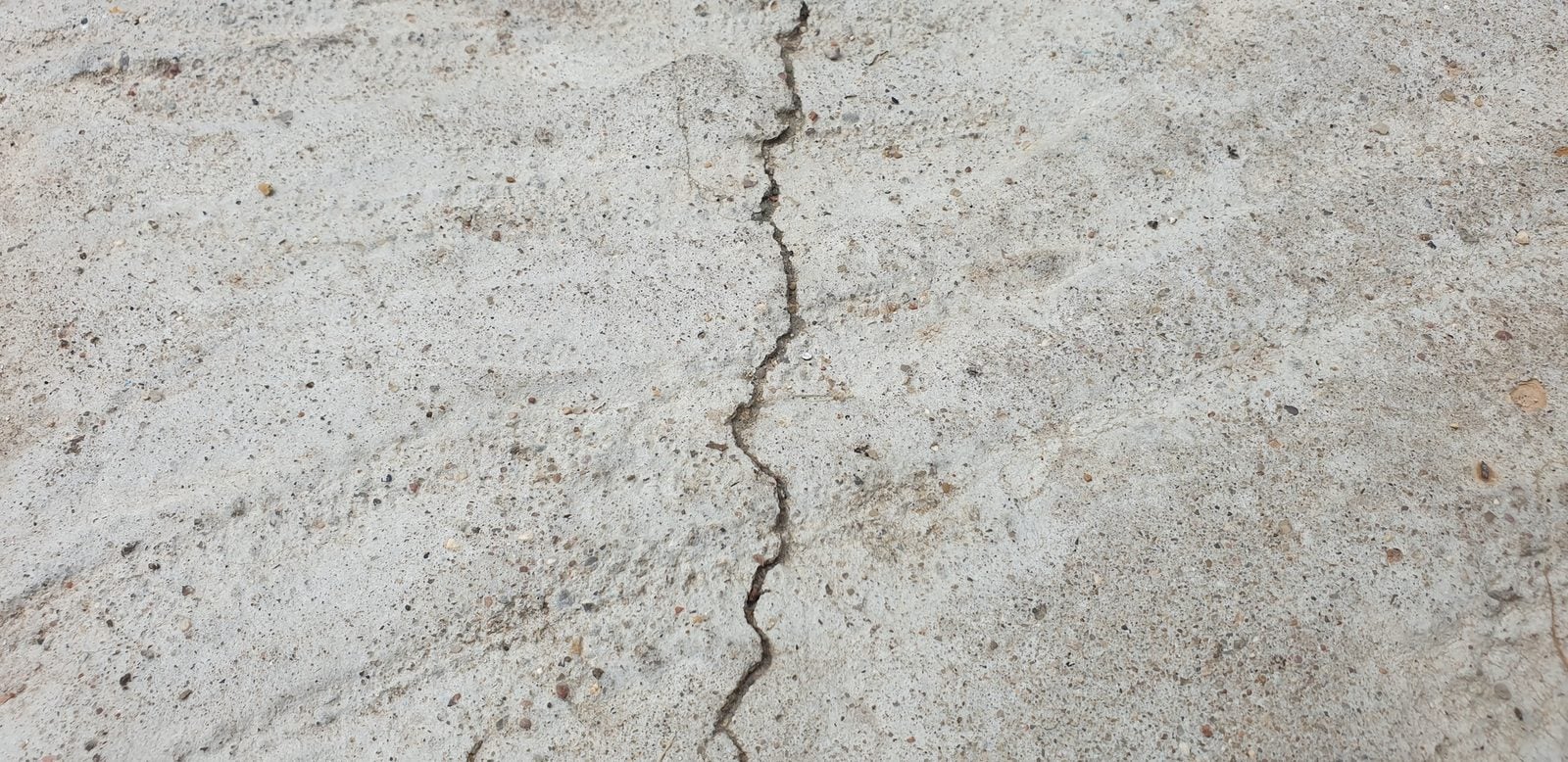
- Fast change matters more than size: a crack that grows in days or weeks is more urgent than an old, stable one.
- Several signs at once, like jammed doors, new wall gaps and a tilting floor, usually point to active movement.
- Round Rock sits near the Blackland Prairie, where expansive clay soils shrink and swell with moisture.
- If walls bulge, beams crack or the house makes popping sounds, ask for a qualified inspection or a structural engineer right away.
- A local provider inspects first, explains options and gives a written quote before any work starts.
What to do first
- Stay out of any room where a wall is bulging, a ceiling is sagging, or a beam or post has cracked, and keep children and pets away.
- If you smell gas near a new crack or a shifted wall, leave the house and call the gas company or 911 from outside.
- If you hear running water with every tap off or see water rising through the floor, shut off the main water valve.
- Take dated photos of every crack with a coin or ruler beside it, and mark the ends of each crack with a pencil.
- Write down which doors and windows stopped closing and when you first noticed each change.
- Call to be connected with a local foundation provider, and ask about a structural engineer if the signs look severe.
When should I call foundation repair experts in Round Rock right away?
Call foundation repair experts in Round Rock right away when a sign is new, growing, or showing up in several places at once. Speed of change is the clearest warning. A crack that was a hairline last month and is now wide enough to fit a coin needs a closer look soon.
Other urgent signs include a floor that drops or tilts over a short time, a gap that opens between a wall and the ceiling, or brick that pulls away from a window frame. One small, old crack is common. Many fresh changes together are not. If you are not sure, a foundation inspection gives you a clear answer.
Which foundation signs are urgent and which can wait?
Signs that are getting worse are urgent; signs that have stayed the same for a long time can usually wait for a planned inspection. Tracking each sign for a few weeks helps you tell the two apart.
- Act soon: cracks wider at one end that keep growing, doors that jammed in the same week, a slab edge with a new lip, water rising through a floor crack, or a sagging beam in a crawl space.
- Watch and note: one thin crack that has not changed, a single sticky door in humid weather, or small nail pops in drywall.
Our guide to which foundation cracks matter shows common crack patterns.
Why can foundation movement suddenly speed up?
Foundation movement can speed up when the soil under the house changes moisture quickly. A long dry spell followed by heavy rain, a hidden plumbing leak, or a tree pulling water from one side can all shift a slab faster than normal.
Clay soil does not move evenly. One corner may dry and drop while another stays wet. That uneven change is what bends a slab or tilts a pier-and-beam floor. Finding the cause matters as much as fixing the movement, because the same cause can keep working after a repair.
Need help now? Call to be connected with a local provider in Round Rock who can check availability for your address.
Is a slab leak a foundation emergency?
A slab leak can turn into a foundation problem because the water softens or swells the soil under one part of the house. Warm spots on the floor, a water bill that jumps, or the sound of running water with every tap off are reasons to call a plumber first.
Once the leak is found and stopped, a foundation provider can check whether the slab moved. Ask for floor elevation readings so you can see if one area is higher or lower than the rest. The slab foundation repair page explains the usual next steps.
What do foundation experts check when the signs are severe?
When the signs are severe, foundation experts check how far the house has moved, where it moved, and whether the movement is still happening. They compare floor heights across the home and look closely at the structure around the worst cracks.
- Floor elevation readings to map high and low points.
- Crack width, direction and whether the two sides are offset.
- Doors, windows and frames that are out of square.
- Plumbing, gutters, grading and nearby trees.
- Posts, beams and shims if the home has a crawl space.
If the readings show a lot of movement, they may suggest a structural engineer review before any repair plan.
Should I wait for the weather to change before calling?
You should not wait for the weather to change when signs are growing fast. Some cracks open in dry months and close a little after rain, but a sign that is clearly getting worse needs an inspection no matter the season.
Seasonal change can still be useful. If a crack opens every summer and closes every winter, note the dates and sizes. That record helps a provider tell normal soil swings from ongoing settlement. For slower signs, our article on fixing the foundation now or waiting covers the tradeoffs.
Can I stay in my house while I wait for an inspection?
Most people can stay in their home while waiting for a foundation inspection, as long as there are no signs of immediate danger. Bulging walls, a sagging ceiling, cracked beams or a gas smell are the exceptions, and those areas should be avoided.
No one can promise a house is safe from photos or a phone call. If you are worried about the structure, ask for a structural engineer to look at it in person. Until then, keep tracking the signs and avoid putting heavy loads, like full bookshelves or water beds, near the worst area.
What happens during the visit?
During the visit, a local provider inspects your foundation, explains the options that fit your home, and gives you a written quote before any work begins. You decide what happens next.
- Inspection: a walk around the outside, a look at each crack and sticking door, floor elevation readings, and a check of drainage, plumbing signs and any crawl space.
- Options explained: what seems to be moving and why, which repairs could help, and what each one does not cover. If the signs are severe, this may include a referral to a structural engineer.
- Written quote: a quote that lists the planned work so you can compare, ask questions or take time to decide.
See how it works for more on the process.
Why do foundation problems show up fast in Round Rock, Georgetown and Hutto?
Round Rock sits near the Blackland Prairie, which extends from north of Dallas south to San Antonio. The USDA NRCS says the Houston Black clays found there are highly expansive and shrink and swell markedly with changes in moisture content. During dry periods, the NRCS describes cracks 1/2 to 4 inches wide at 12-inch depths in this soil. When that soil shrinks or swells quickly, a home can show new signs in a short time.
Weather in the area swings hard. The NWS says Austin, just south of Round Rock, had 90 days of 100°F or higher in 2011, and that it sits in a region known as Flash Flood Alley. Long heat dries the clay, then heavy rain soaks it again.
Freezes add another trigger. Insurers reported 14,439 claims in Williamson County from the February 2021 winter storm, counting all types of insurance. Broken pipes from a freeze can put water under a slab. Homes in Round Rock, Georgetown, Hutto, Brushy Creek and Taylor all deal with the same clay and weather, so fast-changing signs are worth a call anywhere in the area.
Related pages
Questions people ask
How do I know if I need foundation repair experts in Round Rock or if the crack is normal?
You likely need foundation repair experts in Round Rock if a crack is growing, wider at one end, or showing up with other signs like jammed doors. A single thin crack that has not changed for months is often normal settling, but it is still worth tracking.
What counts as a foundation emergency in Round Rock?
In Round Rock, a foundation emergency is any sign of fast or severe movement, such as a bulging wall, a sagging ceiling, a cracked beam, or water rising through the slab. Stay out of the affected area and ask for an inspection or a structural engineer soon.
Why did all my doors start sticking at the same time?
Several doors sticking at once often means the house shifted as a whole, not just one frame. In Round Rock this can follow a big change in soil moisture, so it is a good reason to get the foundation checked.
How fast can a foundation crack get worse in Texas?
In Texas clay soil, a foundation crack can change in weeks during a fast swing from dry to wet weather. Mark the ends of the crack with a pencil and date it so you can see whether it grows.
Is it dangerous if my floor suddenly feels sloped?
A floor that suddenly feels sloped is a sign of active movement and should be inspected soon. No one can judge the danger without seeing it, so ask for a qualified inspection or a structural engineer if it is getting worse.
What should I do first if I see a big new crack in my slab?
First, photograph the crack with a ruler beside it and mark its ends with a date. Check for water or a gas smell nearby, then call to be connected with a local foundation provider.
Should I call a structural engineer or foundation experts first for a severe crack?
For severe signs like a bulging wall or a cracked beam, a structural engineer review is a good early step. Many people call foundation experts first, and they can tell you if an engineer should be involved.
Why do my wall cracks open in summer and close in winter?
Wall cracks that open in summer and close in winter usually follow the clay soil drying and swelling with the seasons. If the crack gets a little bigger each year, that points to ongoing movement worth inspecting.
Can heavy rain after a drought damage my foundation in Round Rock?
Heavy rain after a drought can make Round Rock clay swell quickly, which can lift or tilt parts of a slab. Watch for new cracks and sticking doors in the weeks after a big storm.
Can I patch foundation cracks myself while I wait for an inspection?
It is better not to patch foundation cracks before an inspection, because a patch hides how the crack has changed. Take photos and measurements instead so the provider can see the full picture. Learn more on our foundation crack repair page.
Does homeowners insurance help with sudden foundation damage in Round Rock?
It depends on your policy. The Texas Department of Insurance lists damage to foundations or slabs as an optional endorsement, so check your policy for one and document everything with dated photos.
How do foundation repair experts tell old settling from new movement?
Foundation repair experts compare floor elevation readings, crack shape and signs like dirt or paint inside the crack. Clean, sharp edges and fresh gaps usually point to newer movement than worn, dirty edges.
Can foundation problems get worse after a hard freeze in Central Texas?
A hard freeze in Central Texas can break pipes, and leaking water under or beside a slab can make the soil move. After a freeze, check for warm spots on floors, new cracks and a higher water bill.
Who do I call in Georgetown or Hutto if my foundation is moving fast?
Call the number on this page to be connected with a local provider who serves Georgetown, Hutto and other towns near Round Rock. They can check availability for your address and set up an inspection.
What should I tell foundation repair experts when I call?
Tell them what you saw, when you first noticed it, and whether it is getting worse. Mention if the house is a slab or pier-and-beam, and have your dated photos ready.
Talk to someone about your foundation problem
Call to be connected with a local provider who can check availability for your address and explain the next step.